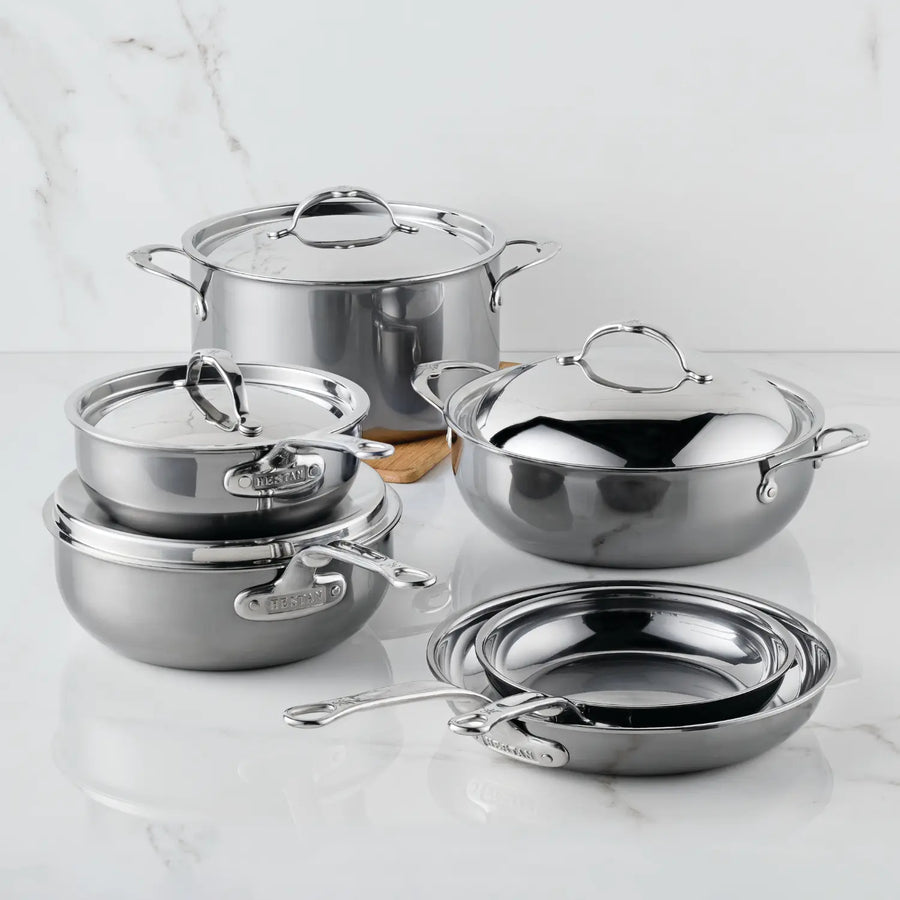
In the realm of culinary arts, the choice of cookware can significantly impact the cooking experience and the quality of food prepared. Among the various options available, titanium pans have emerged as a popular choice for both professional chefs and home cooks alike. This article delves into a comparative analysis between titanium pans and traditional cookware, examining their unique features, benefits, and considerations. By understanding these differences, cooks can make informed decisions that best suit their culinary needs and preferences.
Material Composition and Durability
Titanium Pans
Titanium pans are renowned for their exceptional strength and lightweight nature. Some of the key attributes include:
- Non-reactive nature, ensuring no metallic taste is imparted to food.
- Corrosion-resistant, making it ideal for acidic dishes.
- Scratch-resistant surface, maintaining a pristine appearance over time.
Learn about our tailored solutions for high-quality titanium cookware.
Traditional Cookware
Traditional cookware often comprises materials like stainless steel, cast iron, and aluminum. Each of these has distinct characteristics:
- Stainless steel offers durability and a non-reactive surface.
- Cast iron is known for excellent heat retention but requires maintenance to prevent rusting.
- Aluminum is lightweight and conducts heat well but can react with acidic foods.
Discover expert strategies here to maintain and maximize the lifespan of traditional cookware.
Heat Conductivity and Cooking Performance
Titanium Pans
Titanium pans are often combined with other metals, like aluminum, to enhance their heat conductivity. They offer:
- Rapid and even heat distribution for consistent cooking results.
- Quick heating, reducing energy consumption and cooking time.
Find out more about this approach here for better heat management in titanium cookware.
Traditional Cookware
Traditional cookware can vary widely in heat performance based on material:
- Cast iron heats slowly but retains heat well, making it ideal for slow-cooked dishes.
- Stainless steel provides even heating but may not be as quick as aluminum.
- Aluminum is excellent for fast cooking due to its superior heat conduction.
Explore advanced guides and tips here to enhance your cooking with traditional cookware.
Maintenance and Usability
Titanium Pans
Titanium cookware is celebrated for its low-maintenance requirements and user-friendly features:
- Dishwasher safe and easy to clean due to non-stick properties.
- Lightweight and easy to handle, making it ideal for daily use.
Explore advanced guides and tips here for proper care of titanium cookware.
Traditional Cookware
The usability and maintenance of traditional cookware can vary significantly:
- Cast iron requires seasoning to maintain its non-stick surface and prevent rust.
- Stainless steel is generally dishwasher safe but may need extra effort to remove food residues.
- Aluminum pans may need special care due to their reactivity with certain foods.
Learn about our tailored solutions for maintaining traditional cookware’s performance.
Conclusion
Both titanium pans and traditional cookware offer unique advantages that can greatly influence culinary outcomes. Titanium pans provide an excellent combination of durability, ease of use, and superior cooking performance. Meanwhile, traditional cookware offers varied options that cater to specific cooking styles and preferences. By understanding the distinct qualities of each, chefs and home cooks can make informed choices to enhance their cooking experiences. For more information on choosing the right cookware, find out more about this approach.
