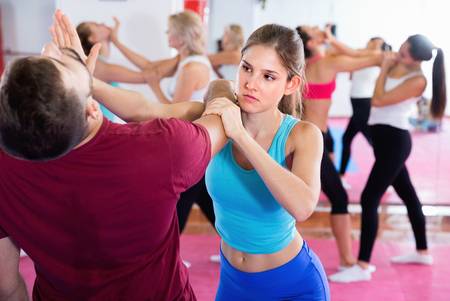
In today’s fast-paced world, youth face numerous challenges that can impact their mental, physical, and emotional well-being. As they navigate school pressures, social dynamics, and the digital landscape, it’s crucial to provide them with outlets that promote holistic development. One such powerful avenue is martial arts. Beyond the traditional view of self-defense, martial arts offer a comprehensive framework for instilling discipline, enhancing focus, and promoting overall health. This article delves into the multifaceted benefits of martial arts for young individuals, highlighting its importance for personal growth and well-being.
The Physical Benefits of Martial Arts
Engaging in martial arts can significantly enhance physical health. It provides a full-body workout that improves:
- Strength and endurance
- Flexibility and agility
- Cardiovascular health
Consistent practice supports the development of motor skills and coordination. For more insights on how martial arts can enhance physical strength, discover expert strategies here.
Mental and Emotional Advantages
The mental discipline required in martial arts training translates into significant psychological benefits. This includes:
- Improved concentration and focus
- Stress relief and emotional regulation
- Enhanced self-esteem and confidence
By setting and achieving goals, young practitioners learn resilience and perseverance. Learn about our tailored solutions that support mental toughness and emotional maturity.
Social Skills and Teamwork
Martial arts classes often emphasize respect, camaraderie, and sportsmanship, which are essential for developing social skills. Participants learn:
- Effective communication
- Empathy and understanding
- Collaboration and teamwork
These social skills are invaluable, helping youth navigate personal and professional relationships. Explore advanced guides and tips on fostering positive social interactions through martial arts.
Safety and Self-defense
While martial arts is not solely about self-defense, learning to protect oneself is a critical aspect. Key elements include:
- Awareness and avoidance strategies
- Basic self-defense techniques
- Confidence in handling confrontations
Empowering youth with self-defense skills ensures they feel secure and capable in various situations. Find out more about this approach to fostering a sense of personal safety.
Conclusion
Martial arts offer a unique blend of physical training, mental discipline, and social learning, making it an ideal activity for youth development. By engaging in martial arts, young individuals not only improve their physical fitness but also enhance their mental resilience, emotional balance, and social acumen. As youth continue to face diverse challenges, integrating martial arts into their routine can be a transformative experience, laying a strong foundation for future success and well-being. Explore advanced guides and tips to discover how martial arts can become a cornerstone of youth development.
