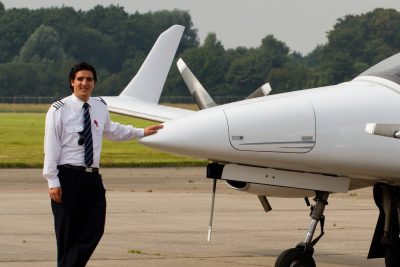
Embarking on the journey to become a private pilot is an exciting and rewarding endeavor. It opens up a world of possibilities, from leisurely weekend flights to cross-country adventures. However, this journey requires thorough preparation and understanding of various training essentials. This article will guide aspiring pilots through the fundamental components of private pilot training, highlighting key aspects and resources to support a successful aviation career.
Understanding the Basics of Private Pilot Training
Private pilot training is designed to equip students with the necessary skills and knowledge to fly an aircraft safely and efficiently. The process involves several key components:
- Ground School: This foundational part of training provides theoretical knowledge about aviation regulations, navigation, weather, and aircraft systems. Explore advanced guides and tips.
- Flight Training: Practical flying lessons where students learn basic maneuvers, takeoffs, landings, and emergency procedures under the guidance of a certified flight instructor.
- Medical Certification: Obtaining a medical certificate from an authorized aviation medical examiner is mandatory to ensure the pilot’s health and fitness for flying.
- Written Examination: Candidates must pass a written test that assesses their understanding of aviation knowledge areas covered in ground school.
Key Components of Flight Training
Flight training consists of several phases, each focusing on different skills and competencies:
Initial Flight Training
During the initial phase, students become familiar with the aircraft and basic flight maneuvers. This includes:
- Pre-flight inspections and checklists
- Basic maneuvers such as climbing, descending, and turning
- Understanding aircraft controls and instrumentation
Solo Flight
Solo flight is a significant milestone in a pilot’s training. It demonstrates a student’s ability to operate an aircraft independently and safely. Learn about our tailored solutions for achieving this critical step.
Cross-Country Training
This phase focuses on navigation skills, planning routes, and managing longer flights. Students learn to:
- Navigate using charts and instruments
- Plan for fuel consumption and weather conditions
- Communicate effectively with air traffic control
Preparing for the Private Pilot License Exam
To earn a private pilot license, students must pass a series of exams that test their theoretical and practical knowledge. This includes:
- Written Test: A comprehensive examination covering all aspects of aviation theory.
- Practical Test: Often referred to as a checkride, this involves an oral exam and a flight test with a designated pilot examiner.
Discover expert strategies here to help prepare for these exams and ensure success.
Next Steps and Continued Learning
After obtaining a private pilot license, continuous learning and experience-building are crucial. Pilots can pursue advanced ratings and certifications to expand their flying capabilities. Find out more about this approach to enhance your aviation journey.
From understanding the basics to mastering advanced techniques, private pilot training is a comprehensive process that requires dedication and passion. By embracing the essential components outlined in this guide, aspiring pilots can confidently navigate their journey to becoming skilled aviators.
