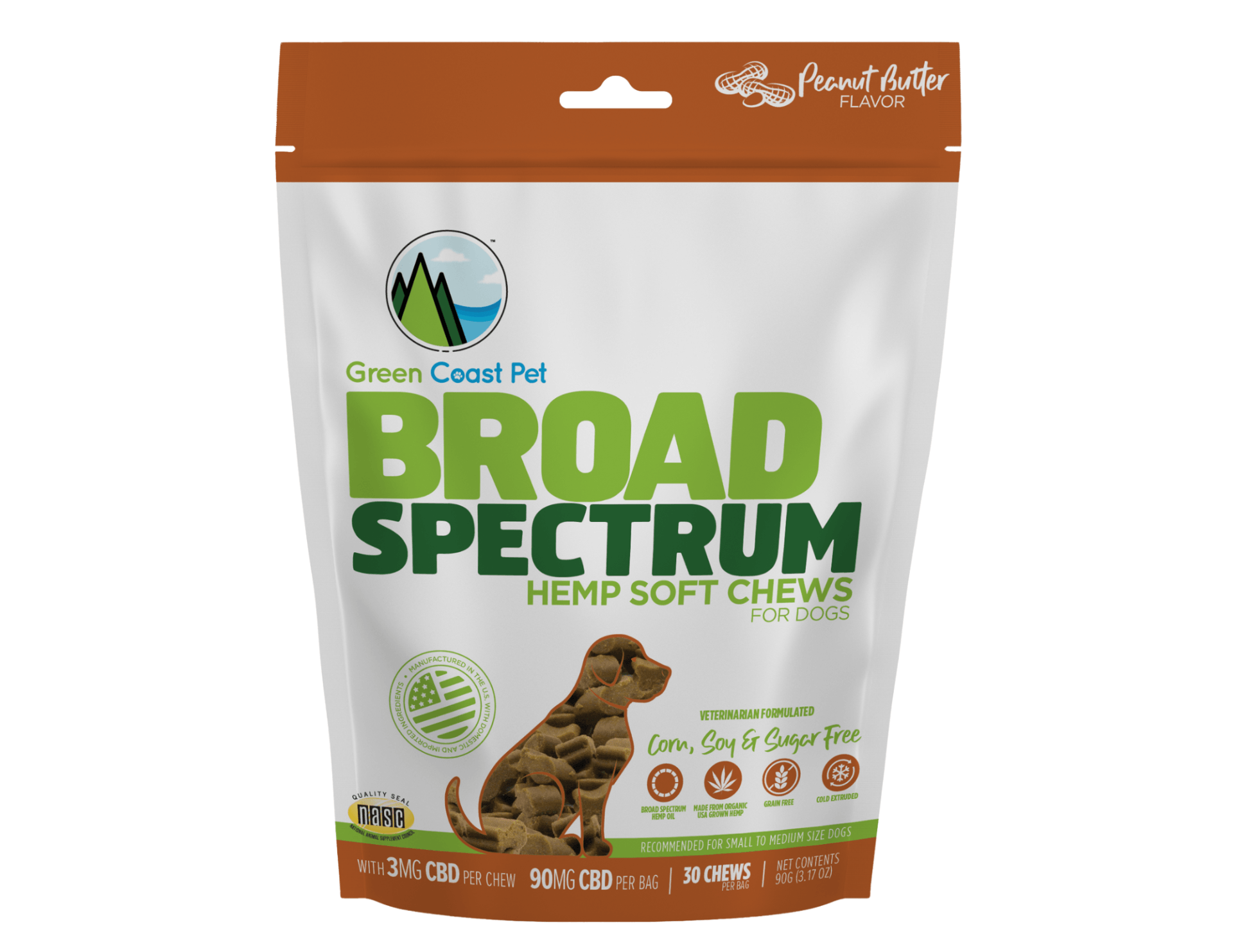
Choosing the right type of dog treat is an essential aspect of pet care. Pets, like humans, have unique preferences and nutritional needs. As a pet owner, it is crucial to understand the differences between soft dog treats and hard treats to make an informed decision that benefits your pet’s health and enjoyment. The choice between the two can influence your pet?s dental health, dietary intake, and even their training success.
Understanding Soft Dog Treats
Soft dog treats are typically moist and chewy, making them a popular choice for many pet owners. They are available in various flavors and are often designed to be easily digestible.
Benefits of Soft Dog Treats
- Suitable for Older Dogs and Puppies: Soft dog treats are easier to chew, making them ideal for puppies or older dogs with dental issues.
- Great for Training: Their soft texture makes them easy to break into smaller pieces, perfect for training sessions.
- Variety of Flavors: With options like Pawnut Butter, soft treats offer a range of flavors that can cater to picky eaters.
Considerations
- Shelf Life: Due to their moisture content, soft treats may not last as long as hard treats.
- Caloric Content: Some soft treats can be higher in calories, so portion control is important.
Exploring Hard Dog Treats
Hard dog treats, including biscuits and bones, are known for their crunchy texture. These treats are often used to promote dental health and provide entertainment for dogs as they chew.
Benefits of Hard Dog Treats
- Dental Health: Chewing on hard treats can help reduce plaque buildup and promote healthy teeth and gums.
- Long-Lasting: Hard treats tend to last longer, providing extended enjoyment for pets.
- Variety and Enrichment: They can serve as a form of enrichment, keeping your pet occupied and mentally stimulated.
Considerations
- Not Suitable for All Dogs: Dogs with dental issues or small breeds may struggle with hard treats.
- Potential for Choking: There is a risk of choking if the treat breaks into small, sharp pieces.
Which is Better for Your Pet?
Determining whether soft or hard treats are better for your pet depends on several factors, including their age, dental health, and personal preferences.
Factors to Consider
- Dietary Needs: Consider your pet’s dietary restrictions and caloric intake when choosing treats.
- Behavioral Goals: If training is a priority, soft treats may be more effective due to their ease of use.
- Health Concerns: Pets with specific health issues may benefit from natural pet treats that align with their dietary needs.
Ultimately, a balanced approach that incorporates both types of treats might be the best solution. For example, using soft treats during training sessions and offering hard treats to support dental health can provide a comprehensive treat regimen for your pet.
Caring for your pet involves making informed choices about their nutrition and lifestyle. By understanding the benefits and considerations of soft and hard dog treats, you can better cater to your dog’s individual needs and preferences.
