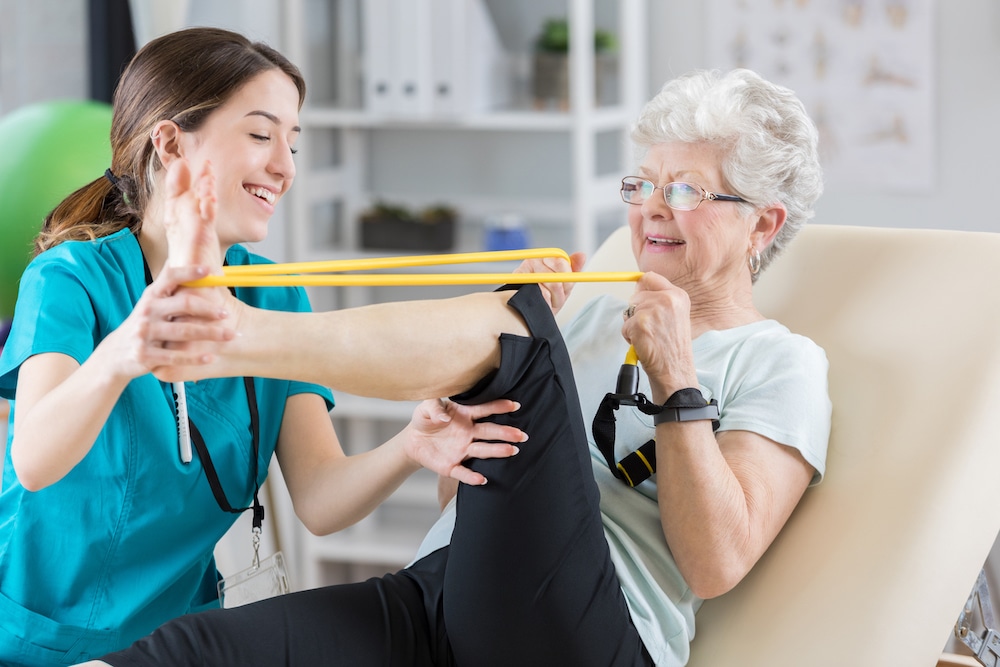
Sports injuries are an unfortunate reality for athletes at all levels. Whether it’s a sprained ankle, a torn ligament, or a stress fracture, these injuries can significantly impact an athlete’s performance and overall well-being. Recovery is a critical phase, and sports injury rehabilitation therapy plays a vital role in ensuring that athletes not only heal but also regain their strength, flexibility, and confidence. This therapy focuses on a comprehensive approach tailored to each individual’s needs, promoting faster and more effective recovery. Understanding the nuances of rehabilitation can make a substantial difference in the recovery journey, offering athletes the best chance to return to their sport stronger than ever.
The Importance of Rehabilitation Therapy
Rehabilitation therapy is crucial for several reasons, including:
- Minimizing the risk of re-injury.
- Restoring full function and mobility.
- Enhancing performance post-recovery.
- Improving psychological readiness to return to sport.
Sports injury rehabilitation therapy involves a range of techniques designed to accelerate healing and restore function. Discover expert strategies here.
Components of an Effective Rehabilitation Program
Initial Assessment and Diagnosis
A thorough initial assessment is essential to tailor a rehabilitation program effectively. This includes:
- Understanding the nature and extent of the injury.
- Evaluating the athlete’s medical history and current physical condition.
- Setting realistic recovery goals.
Learn about tailored solutions by visiting this page.
Personalized Treatment Plans
Each athlete requires a personalized treatment plan that considers their unique needs and goals. These plans often include:
- Physical therapy exercises to improve strength and flexibility.
- Manual therapy techniques to reduce pain and improve mobility.
- Use of modalities such as ultrasound and electrical stimulation.
Explore advanced guides and tips for creating effective plans here.
Continuous Monitoring and Adjustments
As the athlete progresses, continuous monitoring and adjustments to the rehabilitation plan are essential. This ensures:
- Exercises remain challenging yet achievable.
- Healing progresses without complications.
- Psychological barriers are addressed.
Find out more about this approach by visiting this link.
Psychological Support in Rehabilitation
The psychological aspect of recovery is often underestimated. It’s vital to address mental health to help athletes cope with the challenges of injury and recovery. Strategies include:
- Encouraging positive thinking and goal setting.
- Providing counseling services if needed.
- Engaging in mental skills training.
Such comprehensive support ensures athletes are not only physically ready to return to their sport but also mentally prepared to tackle the challenges ahead.
Conclusion
Recovering from a sports injury is a multifaceted process that requires patience, dedication, and expert guidance. Sports injury rehabilitation therapy offers structured, personalized care that addresses both physical and psychological aspects of recovery. By implementing an evidence-based rehabilitation strategy, athletes can look forward to a successful return to their sport. For those seeking to enhance their recovery journey, an in-depth understanding of available rehabilitation options is invaluable. To learn more about these transformative rehabilitation practices, you can explore advanced solutions here.
