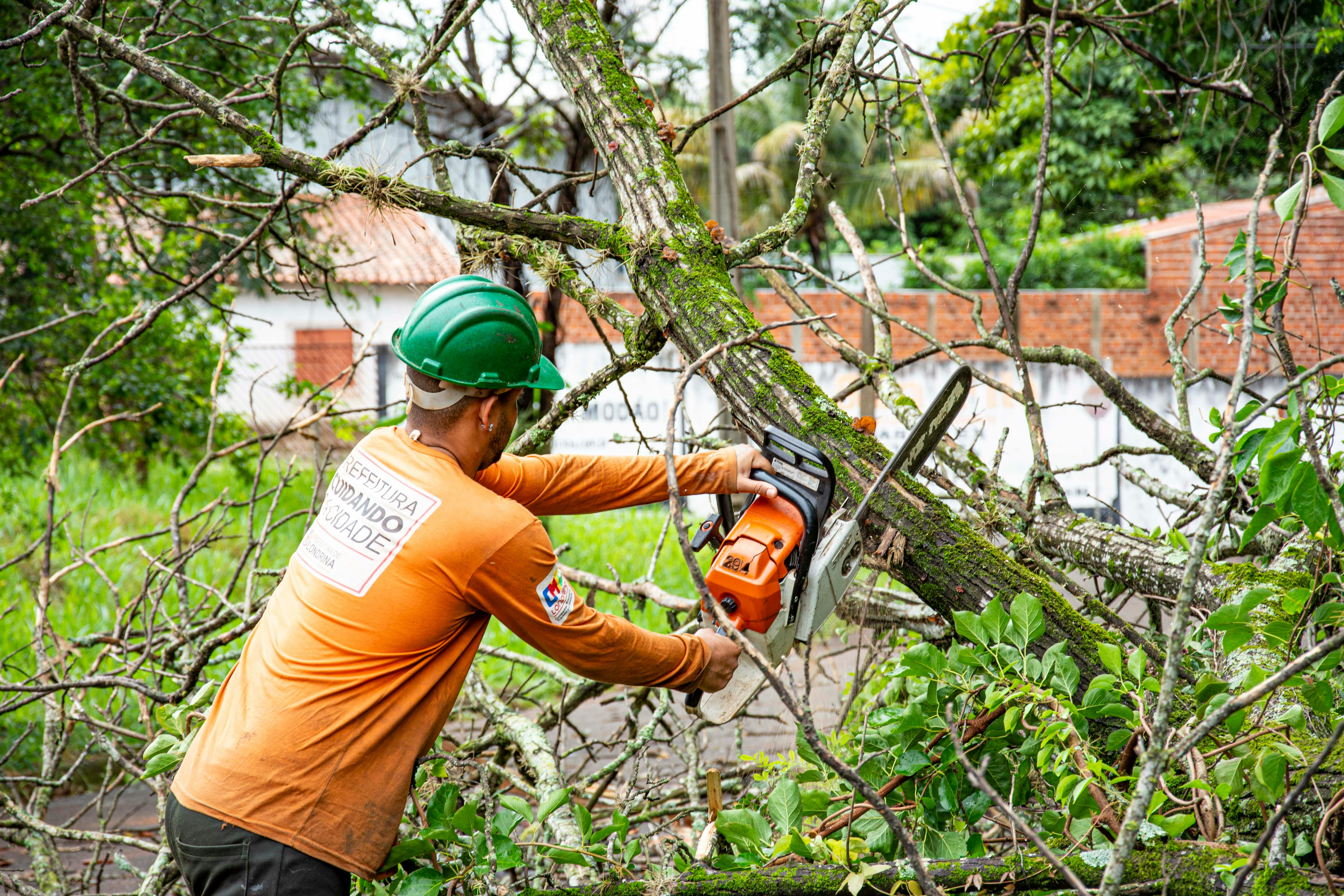
Tyendinaga residents, with their rich natural surroundings, are often passionate about maintaining the beauty of their landscapes. Proper tree care is a vital aspect of preserving the aesthetic and ecological benefits of urban forests and private properties. This article outlines effective techniques that can ensure the health and longevity of trees in Tyendinaga. By implementing these practices, residents can contribute to a greener, more sustainable environment.
Understanding Tree Health
Trees, like any other living organisms, require attention and care to thrive. Understanding the basic needs of trees is the first step towards effective tree care.
Identifying Tree Needs
- Soil Quality: Ensure the soil is nutrient-rich and well-drained.
- Watering: Provide adequate water, especially during dry spells.
- Sunlight: Ensure the tree receives the appropriate amount of sunlight.
- Mulching: Use organic mulch to retain soil moisture and regulate temperature.
Find additional information here on how to evaluate and improve soil conditions for optimal tree growth.
Pruning Techniques
Pruning is an essential practice for maintaining tree health and structure. Correct pruning techniques can prevent disease, promote growth, and enhance the tree’s aesthetics.
Best Practices for Pruning
- Timing: Prune trees during their dormant season, usually in late winter.
- Tools: Use sharp, clean tools to make precise cuts.
- Technique: Remove dead or diseased branches, and avoid topping as it can damage the tree.
- Safety: Ensure personal safety by using proper equipment and techniques.
Explore further insights here for a comprehensive pruning guide tailored to Tyendinaga’s climate and tree species.
Pest and Disease Management
Protecting trees from pests and diseases is crucial for their health. Early detection and management can prevent significant damage.
Steps for Effective Management
- Regular Inspection: Check trees regularly for signs of pests or disease.
- Identification: Correctly identify the pest or disease to apply the right treatment.
- Natural Methods: Use biological controls and encourage beneficial insects.
- Chemical Treatments: Apply pesticides as a last resort, following all safety guidelines.
Learn more in this detailed guide about managing tree health and preventing pest infestations.
Seasonal Care
Adapting tree care routines to the changing seasons is essential for maintaining tree vitality throughout the year.
Seasonal Tips
- Spring: Fertilize and water trees as they awaken from dormancy.
- Summer: Monitor water levels and adjust irrigation as needed.
- Autumn: Prepare trees for winter by pruning and adding mulch.
- Winter: Protect young trees from harsh weather and inspect for damage.
Read more about this topic to understand the specific needs of trees during each season.
Conclusion
Tyendinaga residents can greatly benefit from adopting these proven tree care techniques. By understanding tree needs, practicing proper pruning, managing pests and diseases, and adjusting care seasonally, individuals can ensure their trees remain healthy and beautiful. Implementing these strategies not only enhances property value but also contributes to the ecological well-being of the area. For more detailed information on tree care practices, explore further resources here.
