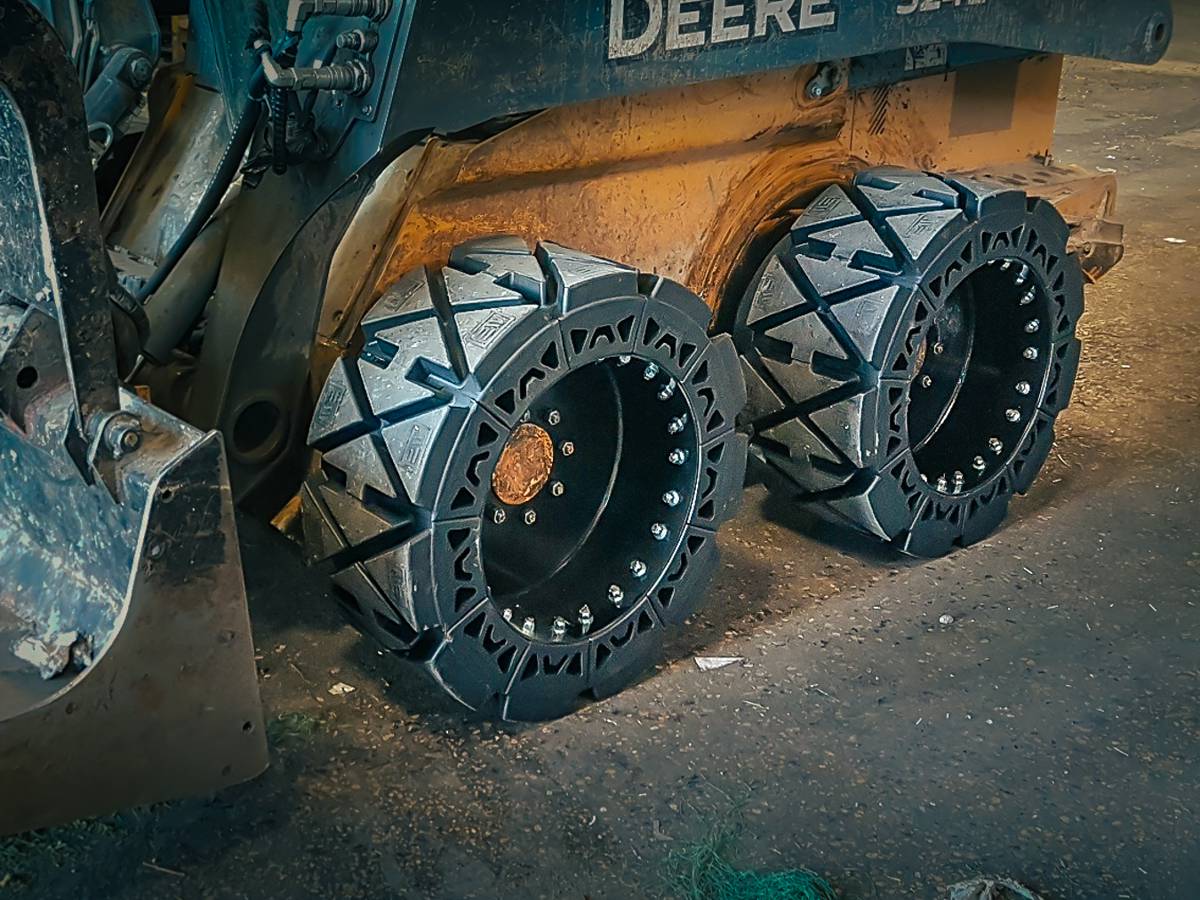
Skid steer loaders are indispensable tools in construction, agriculture, and landscaping industries due to their versatility and efficiency. The choice of tires is critical to maximizing the performance and longevity of these machines. Solid skid steer tires have become increasingly popular, offering numerous benefits over pneumatic alternatives. This guide explores the advantages of solid tires and provides insights into selecting the right set for your skid steer loader.
Advantages of Solid Skid Steer Tires
Solid skid steer tires provide several distinct advantages that make them a preferred choice for many operators. Here are some key benefits:
- Durability: Solid tires are constructed from highly durable materials that resist wear and tear, making them ideal for harsh working environments.
- Puncture Resistance: Unlike pneumatic tires, solid tires are not susceptible to punctures, reducing downtime and maintenance costs.
- Stability: These tires offer enhanced stability and load-bearing capability, which is crucial for ensuring safety and efficiency on uneven terrains.
- Cost-Effectiveness: Though the initial investment may be higher, the longevity and low maintenance of solid tires can lead to significant cost savings over time.
Explore further insights here to understand more about the benefits of solid skid steer tires.
Choosing the Right Solid Tires
Assessing Operational Needs
Before selecting solid skid steer tires, it is essential to assess the operational needs of your machinery. Consider the following factors:
- Terrain Type: Evaluate the types of surfaces your skid steer operates on regularly. Different treads are designed for specific terrains.
- Load Requirements: Understand the maximum load your skid steer will carry to ensure the tires can handle the weight.
- Frequency of Use: The frequency and duration of use can influence the choice of tire compound and tread design.
Find additional information here on how to determine the best tires for your specific needs.
Evaluating Tire Specifications
Once operational needs are assessed, it is crucial to evaluate the specifications of available solid tires. Pay attention to:
- Tread Pattern: Choose a tread pattern that complements the working environment, whether it is smooth, rough, or mixed terrain.
- Tire Compound: Different compounds offer varying degrees of hardness and flexibility, impacting traction and wear resistance.
- Size: Ensure the tires are compatible with your skid steer?s wheelbase and overall dimensions.
Read more about this topic here to gain a deeper understanding of tire specifications.
Maintenance and Care Tips
Proper maintenance of solid skid steer tires can extend their lifespan and maintain optimal performance. Here are some practical tips:
- Regular Inspections: Conduct routine checks to identify any signs of wear or damage.
- Cleaning: Keep tires clean from debris and chemicals that could degrade the material over time.
- Correct Installation: Ensure tires are mounted correctly to prevent uneven wear and enhance stability.
Learn more in this detailed guide here about maintaining your solid skid steer tires effectively.
Conclusion
Investing in the right solid skid steer tires can significantly enhance the performance and operational efficiency of your equipment. By understanding the advantages, selecting the appropriate specifications, and maintaining them well, you can optimize your investment and ensure seamless operations. For further insights on choosing and maintaining solid skid steer tires, explore further insights here.
