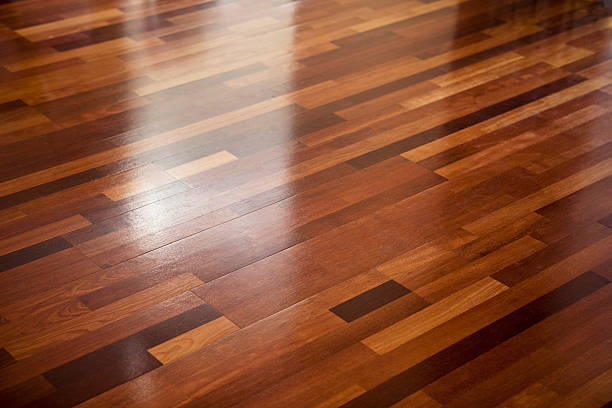
Timber flooring is a popular choice for commercial spaces, offering both aesthetic appeal and durability. When considering timber floor installation in such environments, there are several critical factors to ensure the longevity and performance of the flooring. These considerations include understanding the specific needs of the space, the types of timber available, the installation process, and ongoing maintenance requirements. By addressing these elements, commercial establishments can enjoy the benefits of timber flooring while minimizing potential issues.
Understanding the Space and Its Requirements
The first step in timber floor installation is to thoroughly assess the commercial space. Different environments have unique demands, and it is crucial to select a flooring solution that aligns with those needs. Some key considerations include:
- Foot Traffic: High traffic areas require more durable timber species to withstand constant wear and tear.
- Moisture Levels: The moisture content of the environment can affect timber, causing expansion or contraction. Spaces with high humidity may require specialized treatments.
- Aesthetic Preferences: The visual appeal of timber flooring can enhance the overall ambiance of the space, aligning with branding and design elements.
To explore advanced guides and tips on selecting the right timber based on space requirements, learn about our tailored solutions.
Choosing the Right Type of Timber
Selecting the appropriate type of timber is crucial for ensuring both functionality and style. Various timber species offer different benefits:
- Hardwoods: Known for their durability and resistance to wear, making them ideal for high-traffic areas.
- Softwoods: Generally less expensive and easier to install, suitable for areas with moderate use.
- Engineered Timber: Provides enhanced stability and is often more resistant to moisture changes.
Discover expert strategies here for choosing the best timber type for commercial spaces.
Installation Process
Proper installation is critical for the performance of timber flooring in commercial settings. The process involves several steps that must be carefully executed:
Subfloor Preparation
The subfloor must be adequately prepared to ensure a smooth and level surface. This may involve cleaning, leveling, and sometimes moisture barriers to prevent damage.
Installation Techniques
Different installation methods such as nailing, gluing, or floating floors may be employed based on the type of timber and the specific requirements of the space. Selecting the right technique can significantly impact the floor’s durability and performance.
For more insights on installation methods, explore advanced guides and tips.
Maintenance and Longevity
Ongoing maintenance is essential to preserve the beauty and functionality of timber floors in commercial environments. Consider the following maintenance strategies:
- Regular Cleaning: Routine cleaning helps prevent the buildup of dirt and debris that can scratch the timber surface.
- Refinishing: Periodic refinishing can restore the timber’s original luster and protect it from future wear.
- Moisture Control: Maintaining appropriate humidity levels will prevent warping or swelling of the timber.
For comprehensive maintenance techniques, find out more about this approach.
In conclusion, the successful installation of timber floors in commercial spaces hinges on understanding the specific needs of the environment, selecting the right materials, implementing proper installation techniques, and adhering to regular maintenance routines. By considering these key factors, businesses can ensure that their timber flooring investment provides long-lasting value and enhances the overall appeal of their space.
