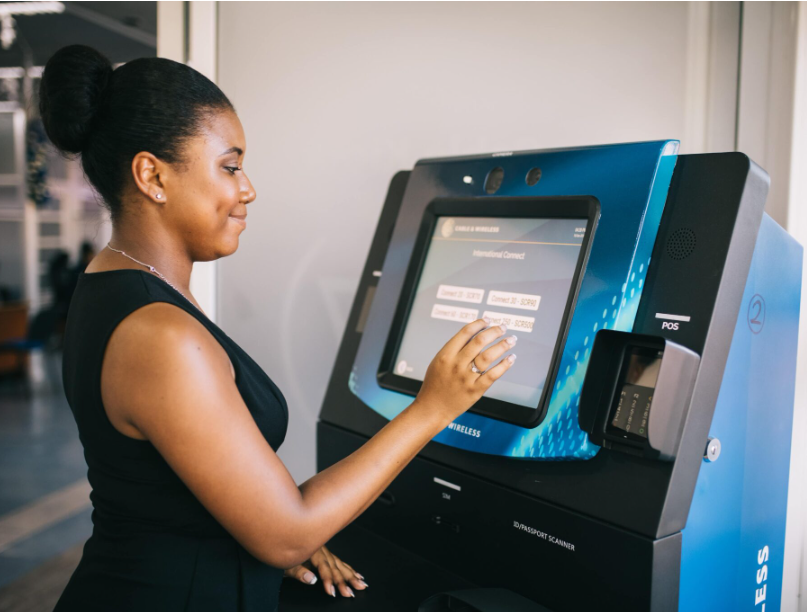
The retail and service industries are increasingly turning to kiosk solutions to enhance customer interactions, streamline operations, and reduce overhead costs. In an era where digital interactions are paramount, creating kiosks that are both functional and appealing is critical. The design process involves understanding user needs, integrating cutting-edge technology, and crafting a user-friendly interface. The design of kiosks must prioritize not only aesthetics but also accessibility, ease of use, and robust functionality to meet varied consumer expectations.
Key Considerations in Kiosk Design
When designing kiosks, several factors must be taken into account to ensure maximum efficiency and user satisfaction. Here are some essential considerations:
- User Experience (UX): A primary focus on UX is crucial. Kiosks should be intuitive and easy to navigate, ensuring users can complete tasks quickly and without frustration.
- Accessibility: Designing for accessibility ensures that kiosks are usable by individuals with disabilities. This includes features like screen readers, adjustable text size, and consideration of height for wheelchair access.
- Durability: Kiosks are often placed in high-traffic areas, demanding materials and components that can withstand frequent use and potential vandalism.
- Customization: Offering customizable options allows kiosks to align with specific branding requirements and functional needs. Learn about our tailored solutions.
Technological Innovations in Kiosk Solutions
The integration of advanced technology in kiosks enhances functionality and user engagement. Current innovations include:
Interactive Displays
Modern kiosks often feature interactive touch screens, which provide a dynamic and engaging user interface. These displays can offer personalized content, multi-touch capabilities, and high-resolution graphics. Explore advanced guides and tips on utilizing interactive displays effectively.
AI and Machine Learning
Incorporating AI and machine learning into kiosk design allows for predictive analytics, personalized user experiences, and improved customer service. These technologies can adapt to user behavior, offering tailored recommendations and assistance.
Contactless Technology
In response to the demand for hygiene and safety, contactless technology has become a staple in kiosk design. Features such as QR code scanning, NFC payments, and voice recognition contribute to a seamless and safe user experience. Discover expert strategies here.
Benefits of Well-Designed Kiosks
Implementing well-designed kiosks brings numerous benefits to businesses, including:
- Increased Efficiency: Kiosks can automate routine tasks, allowing staff to focus on more critical responsibilities.
- Enhanced Customer Experience: By minimizing wait times and offering tailored interactions, kiosks improve overall customer satisfaction.
- Cost Reduction: By reducing the need for human staff, kiosks help lower operational costs.
- Data Collection: Kiosks can collect valuable data on user behavior and preferences, which can be analyzed to improve services. Find out more about this approach.
Future Trends in Kiosk Design
The future of kiosk solutions is set to be shaped by ongoing technological advancements and evolving consumer expectations. Some anticipated trends include:
- Integration with IoT: Kiosks will increasingly connect with other smart devices, enhancing functionality and data synchronization.
- Augmented Reality (AR): AR can provide immersive experiences, such as virtual product trials or interactive wayfinding.
- Sustainability: Eco-friendly materials and energy-efficient components will become standard in kiosk design.
As the landscape of digital interactions continues to evolve, businesses must stay ahead by implementing innovative kiosk solutions that are designed with both present needs and future trends in mind.
