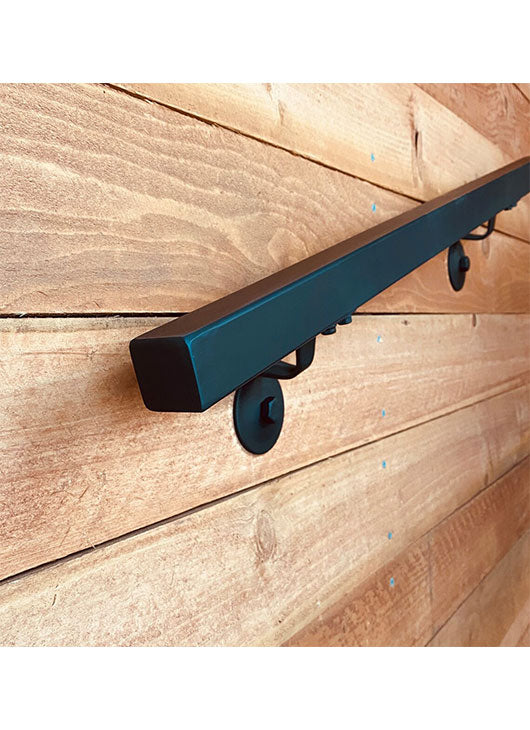
In the realm of modern architecture and home safety, the integration of metal handrails for steps plays a pivotal role in enhancing both aesthetics and functionality. As an essential component in both residential and commercial settings, metal handrails offer a blend of durability, style, and security. Their importance is underscored by their ability to provide stability and confidence to users, ultimately reducing the risk of accidents and injuries.
The Importance of Metal Handrails
Metal handrails are not merely decorative elements; they are crucial for ensuring safety in environments with stairs or steps. These structures provide:
- Enhanced support for individuals with mobility challenges.
- Increased stability in areas prone to wet or slippery conditions.
- Aesthetic enhancement that complements modern architectural designs.
- Durability and resistance to wear and tear, especially in outdoor settings.
The robustness of metal handrails makes them a preferred choice for long-term installations, providing peace of mind to homeowners and property managers alike.
Explore advanced guides and tips.
Choosing the Right Metal for Handrails
Selecting the appropriate material for metal handrails is vital in ensuring their effectiveness and longevity. Common choices include:
Stainless Steel
Known for its corrosion resistance and sleek appearance, stainless steel is ideal for both indoor and outdoor use. Its low-maintenance nature makes it an attractive option for busy households and commercial spaces.
Discover expert strategies here.
Wrought Iron
Wrought iron offers a classic look with intricate designs, perfect for adding a touch of elegance to any staircase. While it requires regular maintenance to prevent rust, its aesthetic appeal is unmatched.
Aluminum
Lightweight yet durable, aluminum is a cost-effective choice that doesn’t compromise on strength. It is particularly beneficial for outdoor installations due to its resistance to weather elements.
Installation Considerations
Proper installation is crucial to maximizing the safety benefits of metal handrails. Key considerations include:
- Ensuring the handrail height complies with local building codes.
- Secure anchoring to prevent wobbling or detachment.
- Choosing designs that offer both comfort and accessibility for all users.
Collaborating with experienced professionals can enhance the quality of the installation process.
Find out more about this approach.
Maintenance Tips for Longevity
To ensure that metal handrails remain functional and visually appealing, regular maintenance is recommended. Consider the following tips:
- Regularly inspect for signs of rust or corrosion, particularly in wrought iron handrails.
- Clean with mild detergent and a soft cloth to prevent grime buildup.
- Apply protective coatings as needed to extend the lifespan of the handrails.
Routine maintenance not only preserves the safety features but also maintains the aesthetic quality of the handrails.
Learn about our tailored solutions.
Conclusion
Incorporating metal handrails into stairway designs is an investment in safety and style. With their ability to withstand environmental challenges while providing essential support, metal handrails are an indispensable feature in modern construction. By understanding the importance of selecting the right materials, ensuring proper installation, and maintaining them regularly, property owners can significantly enhance the safety and appeal of their spaces.
