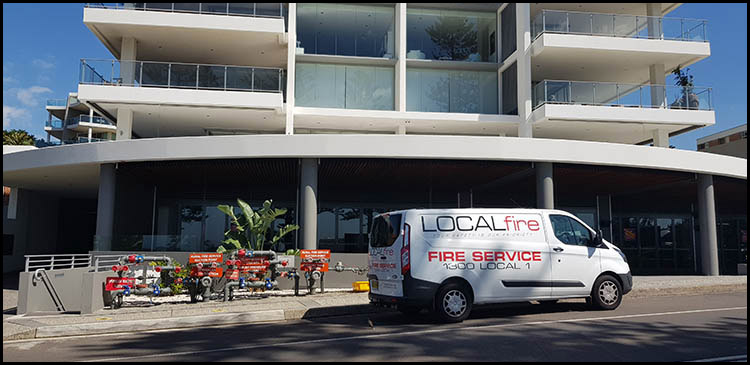
Fire suppression is a critical aspect of safety management, ensuring the protection of property, assets, and lives. Understanding the various methods available is essential for choosing the most appropriate system for any given environment. This guide provides a comprehensive overview of essential fire suppression methods, offering insights into their applications, advantages, and limitations. Whether you're managing a commercial facility, industrial space, or a residential area, the right fire suppression technique can make all the difference in preventing catastrophic damage.
Understanding Fire Suppression Methods
Fire suppression methods vary widely, with each system designed to combat different types of fires effectively. Here, we explore some of the most common systems used in diverse settings:
Water-Based Systems
Water-based fire suppression systems are among the most traditional and widely used methods. These systems are effective for many types of fires, particularly those involving ordinary combustibles like wood and paper.
- Sprinkler Systems: Automatically activate when a fire is detected, dispersing water to extinguish the flames.
- Standpipe Systems: Utilized in large buildings to provide a water source for firefighting operations.
- Water Mist Systems: Use fine sprays of water to suppress fire, reducing water damage compared to traditional sprinklers.
Discover expert strategies here.
Gas-Based Systems
Gas-based fire suppression systems are ideal for environments where water might cause damage, such as data centers or museums.
- Carbon Dioxide (CO2) Systems: Displace oxygen to suppress fire, effective for electrical fires but require safety precautions due to asphyxiation risks.
- Clean Agent Systems: Use gases like FM-200 or Novec 1230, which are safe for humans and leave no residue.
- Inert Gas Systems: Utilize gases like nitrogen or argon to reduce oxygen levels and extinguish fires without harming electronic equipment.
Learn about our tailored solutions.
Specialized Fire Suppression Techniques
Foam Fire Suppression Systems
Foam systems are particularly effective for fires involving flammable liquids. They work by creating a blanket of foam that cuts off the fire's oxygen supply and cools the fuel.
- High Expansion Foam: Used in large spaces where rapid coverage is necessary, such as aircraft hangars.
- Aqueous Film Forming Foam (AFFF): Common in oil and gas industries for its ability to spread quickly and suppress flammable liquid fires.
Explore advanced guides and tips.
Powder-Based Systems
Powder-based fire suppression systems are versatile and can be used on various fire types, including electrical and flammable liquid fires.
- ABC Dry Chemical: Effective on Class A, B, and C fires, making it a multipurpose choice for many environments.
- BC Dry Chemical: Specifically for flammable liquid and electrical fires, often found in commercial kitchens and laboratories.
Find out more about this approach.
Conclusion
Choosing the right fire suppression method is crucial for ensuring safety and minimizing damage. Each method has its strengths and ideal applications, making it necessary to assess the specific needs of the environment being protected. For more detailed information and guidance on implementing the most effective fire suppression systems, visit LocalFire's website to explore a wealth of resources and expert insights. With the right knowledge and systems in place, the risk of fire-related damage can be significantly reduced.
