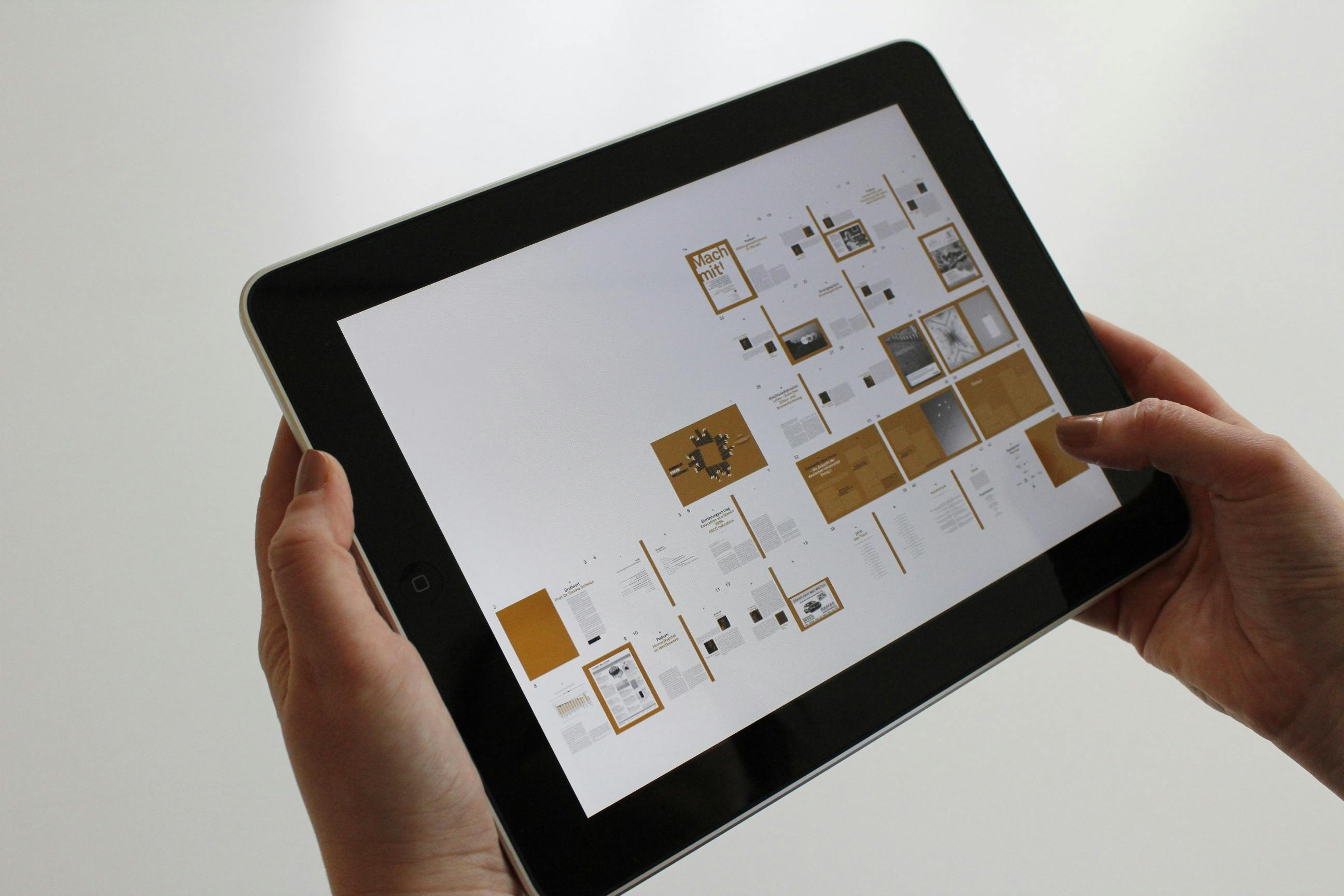
In the bustling digital landscape of London, a strong, well-crafted online presence is paramount for businesses aiming to stand out. The art of web and mobile design has evolved to become more than just aesthetic appeal; it is now a crucial element that encapsulates brand identity, functionality, and user experience. For businesses aspiring to elevate their brand, embracing cutting-edge design strategies is essential to capture attention and foster engagement among their target audience.
Understanding the Importance of Design in Branding
Design serves as the visual language of a brand, communicating values, personality, and professionalism without a single word. In the competitive market of London, where countless brands vie for consumer attention, crafting a distinct and memorable digital footprint is indispensable.
- **Brand Identity:** Design elements such as logos, color schemes, and typography work together to create a cohesive brand image.
- **User Experience (UX):** Intuitive navigation and responsive design enhance usability, encouraging users to engage with the brand.
- **Credibility:** A professional design fosters trust and credibility, crucial for converting visitors into customers.
To learn about tailored solutions that integrate these elements, find out more about this approach.
Innovative Web Design Trends
Keeping up with the latest trends in web design can significantly impact a brand’s visibility and user engagement. Here are some key trends shaping the industry:
Responsive and Mobile-First Design
As mobile usage continues to outpace desktop browsing, optimizing websites for mobile devices is no longer optional but a necessity. A mobile-first approach ensures that the design is adaptable to various screen sizes, providing a seamless experience across all devices. Explore advanced guides and tips on implementing responsive designs effectively.
Minimalism and Functional Aesthetics
Less is more. Minimalistic design focuses on clarity and simplicity, reducing clutter and enhancing the user’s ability to interact with essential content. This approach not only speeds up load times but also emphasizes core brand messages.
Interactive and Dynamic Elements
Interactive elements such as animations, videos, and micro-interactions captivate users and enrich their browsing experience. These features can highlight product benefits, tell a story, or guide users through a particular journey. Discover expert strategies here to incorporate interactive elements into your design.
Enhancing Mobile Design for Better Engagement
Mobile design requires specific considerations to ensure functionality and engagement. Here are strategies to elevate mobile user experience:
- **Touch-Friendly Navigation:** Ensure buttons and other interactive elements are large enough to be easily tapped.
- **Optimized Content:** Prioritize content that is concise and easy to read on smaller screens.
- **Fast Loading Times:** Optimize images and code to reduce loading times, which is crucial for retaining mobile users.
For those interested in deepening their understanding of mobile design strategies, learn about our tailored solutions.
Conclusion
The fusion of innovative web and mobile design is a potent tool for brands looking to elevate their presence in London’s dynamic market. By leveraging the latest trends and focusing on user-centric design principles, businesses can not only enhance their brand image but also drive meaningful engagement and growth. Discover expert strategies here to transform your brand’s digital footprint and stay ahead in the competitive landscape.
