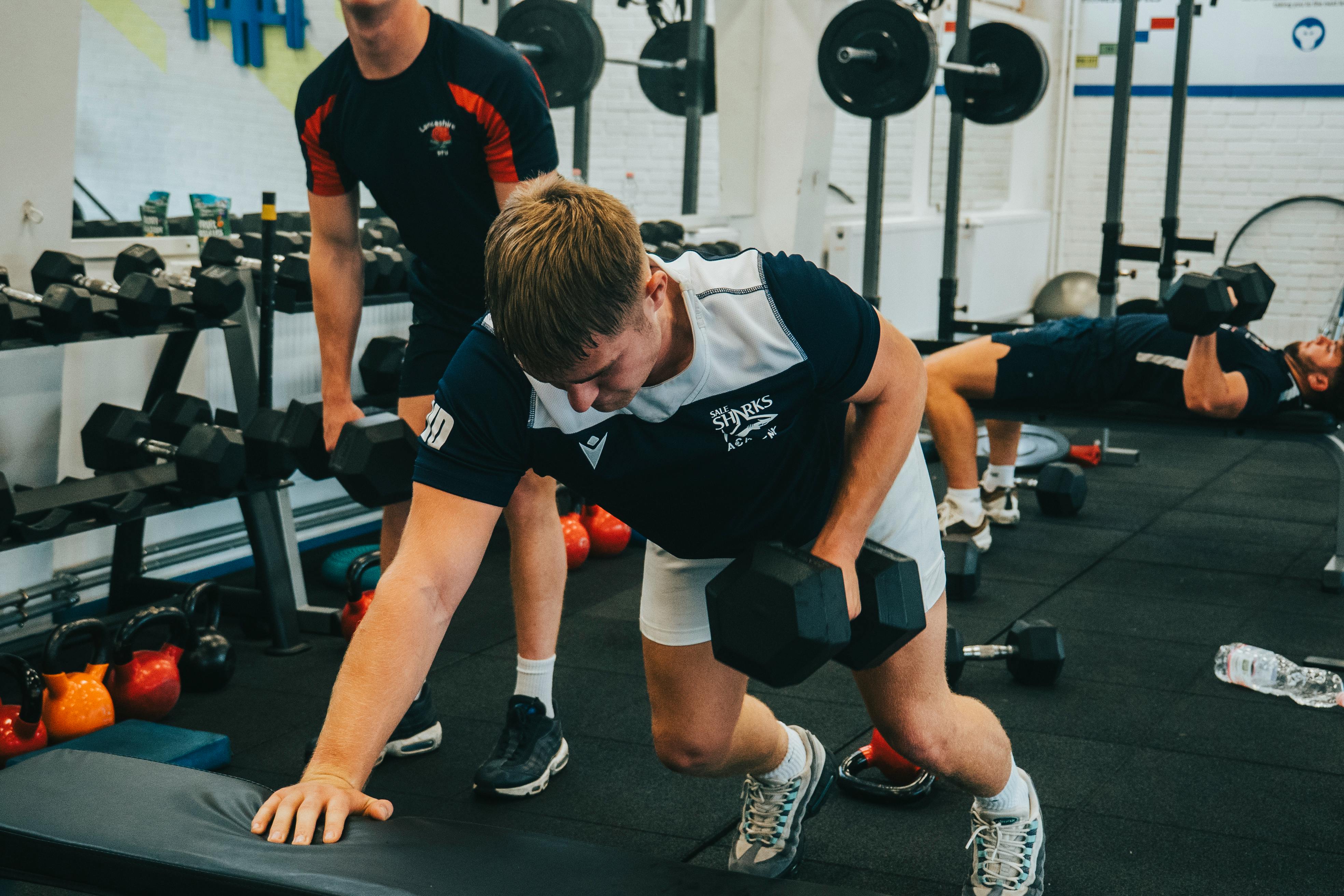
In the quest for optimal athletic performance, strength and conditioning training stands as a cornerstone. This multifaceted approach not only enhances physical capabilities but also ensures that athletes can meet the rigorous demands of their respective sports. By integrating strength and conditioning into their routines, individuals can improve their power, endurance, and overall athleticism. Whether you are a seasoned athlete or just embarking on your fitness journey, understanding the principles and benefits of strength and conditioning training can be transformative.
The Fundamentals of Strength and Conditioning Training
Strength and conditioning training is a systematic approach that targets the development of physical attributes necessary for peak performance. It encompasses various aspects including strength, speed, agility, flexibility, and endurance. Here are some of the core components:
- Strength Training: This involves resistance exercises that enhance muscle power and overall body strength. It is integral for boosting performance in almost any sport.
- Conditioning Exercises: Focused on improving cardiovascular fitness, conditioning exercises help in maintaining stamina and reducing fatigue.
- Functional Movements: These are exercises that replicate the movements used in specific sports, enhancing performance and reducing the risk of injury.
- Recovery and Rest: Essential components that ensure the body can repair and strengthen itself between training sessions.
To delve deeper into the specifics of strength and conditioning training, read more about this topic.
Benefits of Incorporating Strength and Conditioning
Enhanced Athletic Performance
One of the primary benefits of strength and conditioning training is the enhancement of athletic performance. By focusing on muscle strength, endurance, and flexibility, athletes can experience improved speed, agility, and power. This not only aids in better performance but also in achieving personal and professional goals.
Injury Prevention
Strength and conditioning training is pivotal in reducing the risk of injuries. Through targeted exercises that strengthen muscles, tendons, and ligaments, athletes can ensure their bodies are prepared for the demands of their sports. Explore further insights here on how this training aids in injury prevention.
Improved Mental Toughness
Beyond physical benefits, strength and conditioning training can significantly enhance mental resilience. The discipline and perseverance required in such training programs help in building mental toughness, which is crucial for success in competitive sports.
Implementing a Strength and Conditioning Program
Implementing a well-rounded strength and conditioning program requires careful planning and adaptation to individual needs. Here are some guidelines:
- Assessment: Conducting an initial assessment to identify strengths and areas for improvement is crucial.
- Goal Setting: Establish clear, realistic goals that align with the athlete’s needs and sports requirements.
- Program Design: Create a comprehensive program that includes a variety of exercises targeting different muscle groups and physical attributes.
- Monitoring Progress: Regularly track progress and make necessary adjustments to ensure continuous improvement.
For a more comprehensive understanding of designing effective training programs, find additional information here.
Conclusion
Strength and conditioning training is an essential component for anyone looking to achieve peak performance. By integrating these principles into their routine, athletes can enhance their physical capabilities, prevent injuries, and build mental toughness. Whether for competitive advantage or personal development, understanding and applying strength and conditioning strategies can lead to significant improvements in overall performance. For those interested, learn more in this detailed guide to further optimize your training regimen.
