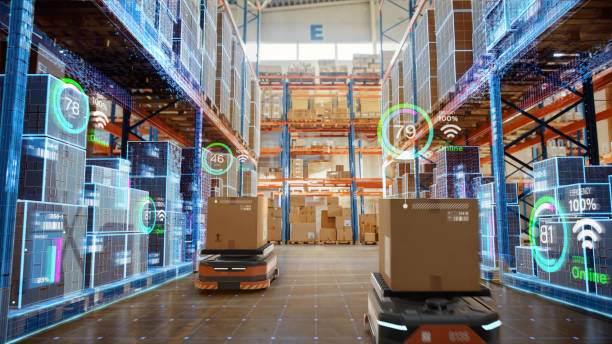
In the rapidly evolving world of logistics, New Zealand stands at the forefront of implementing innovative solutions that redefine efficiency and accuracy in warehousing. Automated warehousing solutions are increasingly becoming the backbone of modern logistics operations, enabling businesses to optimize their supply chains and deliver exceptional service. As technology continues to advance, companies are finding new ways to streamline operations and reduce costs, with New Zealand leading the charge in adopting these cutting-edge technologies. This article delves into the future of logistics, focusing on automated warehousing solutions and their impact on New Zealand’s logistics landscape.
The Rise of Automated Warehousing
The implementation of automated warehousing solutions is transforming the logistics industry in New Zealand. By leveraging advanced technologies, businesses can achieve greater efficiency and scalability in their operations. Automated solutions provide a range of benefits, such as:
- Increased Productivity: Automation reduces manual labor, allowing workers to focus on high-value tasks.
- Enhanced Accuracy: Automated systems minimize human errors, leading to more accurate inventory management.
- Cost Reduction: Automation can significantly lower labor costs and improve operational efficiency.
- Scalability: Automated systems can easily adapt to changing business needs and volumes.
By embracing these technologies, New Zealand logistics companies are setting a benchmark for global standards. Discover expert strategies here to understand how automation is shaping the industry.
Key Technologies in Automated Warehousing
Several technologies are driving the shift towards automated warehousing solutions:
Robotics
Robots are increasingly used in warehouses to handle repetitive tasks such as picking, packing, and sorting. These machines can work tirelessly, ensuring that operations run smoothly and efficiently. Robotics also allows for better space utilization within warehouses, maximizing storage capacity.
Artificial Intelligence and Machine Learning
AI and machine learning algorithms are critical in optimizing warehouse operations. They enable predictive analytics, helping businesses forecast demand and manage inventory more effectively. These technologies also facilitate real-time decision-making, enhancing responsiveness to market changes. Explore advanced guides and tips to see how AI is integrated into logistics solutions.
Internet of Things (IoT)
IoT devices play a crucial role in automated warehousing by providing real-time data on inventory levels, equipment status, and environmental conditions. This information helps businesses monitor and control their operations with greater precision.
Impact on the New Zealand Logistics Industry
Automated warehousing solutions are revolutionizing logistics in New Zealand by offering improved service levels and reduced operational costs. Companies that adopt these technologies can expect to see:
- Faster Delivery Times: Automation reduces processing times, enabling quicker order fulfillment.
- Greater Flexibility: Automated systems can swiftly adjust to market fluctuations and consumer demands.
- Improved Sustainability: Automation often results in lower energy consumption and reduced waste.
The adoption of automated warehousing is not just a trend, but a strategic move towards a more resilient and competitive logistics sector. Learn about our tailored solutions that cater to the unique needs of New Zealand’s logistics industry.
Challenges and Considerations
While the benefits of automated warehousing solutions are significant, companies must also be mindful of the challenges involved:
- Initial Investment: The cost of implementing automated systems can be substantial, requiring careful financial planning.
- Workforce Adaptation: Employees need to be trained to work alongside new technologies, which can involve a learning curve.
- Integration with Existing Systems: Ensuring that automated solutions seamlessly integrate with current processes is critical for success.
Despite these challenges, the long-term advantages of automation far outweigh the initial hurdles. Companies that successfully navigate these considerations will be well-positioned for future growth. Find out more about this approach to overcoming common obstacles in automation.
In conclusion, the future of logistics in New Zealand is bright with the advent of automated warehousing solutions. By harnessing the power of technology, businesses can enhance their operational capabilities and achieve new heights of success in the competitive logistics landscape.
