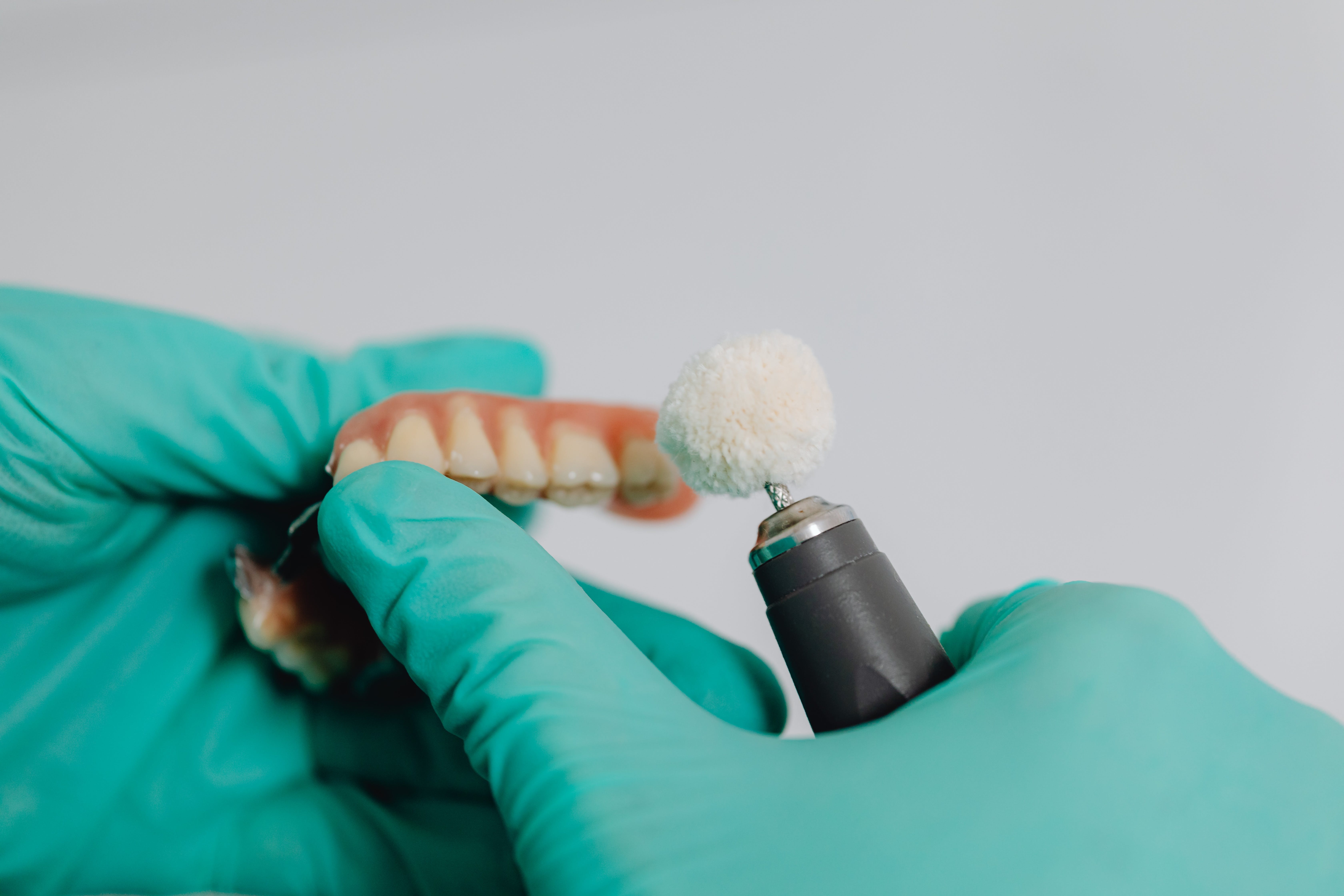
In the realm of dental health, the quest for comfort and functionality is never-ending. Among the myriad of solutions available, implant supported dentures stand out for their ability to significantly enhance both comfort and functionality for individuals experiencing tooth loss. Unlike traditional dentures, which can often lead to discomfort and inconvenience, implant supported dentures provide a more stable and reliable alternative. This article delves into the intricacies of implant supported dentures, exploring their benefits, the procedure involved, and considerations for those contemplating this option. Read more about this topic.
Understanding Implant Supported Dentures
Implant supported dentures are a type of overdenture that is supported by and attached to implants. While a traditional denture rests on the gums and may require adhesives for stability, implant supported dentures offer a more secure fit by anchoring to dental implants surgically placed in the jawbone. This connection mimics the natural root of a tooth, providing enhanced stability and comfort.
Benefits of Implant Supported Dentures
Implant supported dentures offer numerous advantages over traditional dentures, including:
- Improved Stability: The secure attachment to implants prevents the dentures from slipping, offering greater confidence when speaking and eating.
- Enhanced Comfort: Reduced gum irritation and discomfort, as the dentures do not rest directly on the gums.
- Better Functionality: Improved ability to chew and speak more naturally.
- Bone Preservation: Implants help preserve the jawbone and prevent further deterioration, which is a common issue with conventional dentures.
- Longevity: With proper care, implant supported dentures can last many years, making them a worthwhile investment.
Explore further insights here.
The Procedure for Implant Supported Dentures
The process of obtaining implant supported dentures involves several steps, each crucial to ensuring a successful outcome. Here is a general overview:
Consultation and Planning
The initial step involves a comprehensive consultation with a dental professional to determine the suitability of implant supported dentures. Factors such as the condition of the jawbone, overall oral health, and personal preferences are considered. A detailed treatment plan is then developed to address these needs. Learn more in this detailed guide.
Surgical Procedure
The surgical phase involves the placement of dental implants into the jawbone. This procedure is typically performed under local anesthesia. After placement, a period of healing and osseointegration (the process by which the bone integrates with the implant) is necessary, which can take several months.
Fitting the Dentures
Once the implants have fully integrated, the final dentures are fabricated and fitted. These dentures are designed to attach securely to the implants, providing a natural look and feel. Adjustments may be necessary to ensure optimal fit and comfort.
Considerations for Implant Supported Dentures
Before opting for implant supported dentures, it is essential to consider various factors:
- Cost: Implant supported dentures can be more costly than traditional dentures due to the surgical procedures involved.
- Commitment: The process requires a significant time commitment, from initial consultation to the final fitting of the dentures.
- Maintenance: While they are durable, implant supported dentures require regular maintenance and good oral hygiene practices to ensure longevity.
For those considering this option, it is crucial to weigh these factors and consult with a dental professional to make an informed decision. Find additional information here.
In conclusion, implant supported dentures represent a significant advancement in dental prosthetics, offering improved comfort, functionality, and aesthetics. While they may require a greater initial investment in terms of cost and time, the benefits they provide can lead to a vastly improved quality of life for individuals with missing teeth. As with any medical procedure, thorough research and professional consultation are key to achieving the best results.
