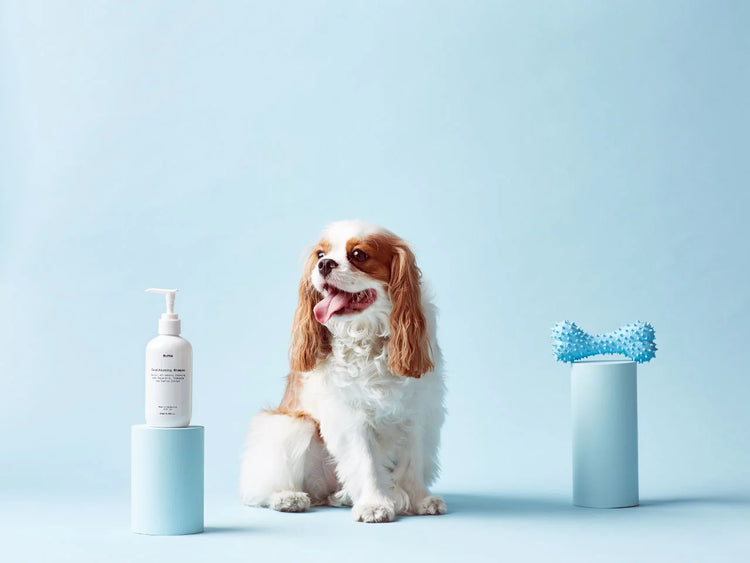
Grooming is an essential part of a puppy’s overall well-being and health, playing a significant role in maintaining their physical appearance and comfort. For new puppy owners, the grooming process can sometimes seem overwhelming, but with the right knowledge and tools, it becomes a manageable and even enjoyable task. Proper grooming not only keeps a puppy looking their best but also helps identify potential health issues early on, such as skin conditions or ear infections. Understanding the nuances of puppy grooming and adopting effective techniques can make the entire process seamless and rewarding for both the pet and the owner.
Understanding Your Puppy”?s Grooming Needs
Each puppy breed has its unique grooming requirements that depend on factors like coat type, size, and activity level. Here are some general guidelines:
- Coat Type: Puppies with longer or thicker coats may require more frequent brushing to prevent tangles and matting.
- Activity Level: An active puppy might need more frequent baths to stay clean, especially if they love playing outdoors.
- Breed-Specific Needs: Some breeds require specialized grooming techniques. Explore advanced guides and tips for specific breeds.
Essential Grooming Tools
Investing in the right grooming tools is crucial for effective puppy grooming. Here”?s a list of essentials:
- Brushes and Combs: Choose a brush suitable for your puppy”?s coat type. A slicker brush is great for long-haired breeds, while a bristle brush works well for short-haired puppies.
- Nail Clippers: Regular nail trimming prevents discomfort and health issues. Ensure you use special puppy nail clippers for safety.
- Shampoo and Conditioner: Use products specifically formulated for puppies to keep their sensitive skin protected. Learn about our tailored solutions for gentle grooming products.
- Ear Cleaner: Regular ear cleaning helps prevent infections and should be done with a vet-recommended cleanser.
Step-by-Step Grooming Routine
Brushing
Regular brushing is vital for all puppies, regardless of their coat type. Follow these steps:
- Start with a gentle brush suitable for your puppy”?s coat.
- Brush in the direction of hair growth to prevent discomfort.
- Pay special attention to areas prone to matting, such as behind the ears and under the legs.
Bathing
Bathing frequency depends on the breed and lifestyle, but generally, a bath every four to six weeks is recommended. Here”?s how to bathe your puppy:
- Use lukewarm water and a puppy-specific shampoo.
- Rinse thoroughly to remove all soap residues.
- Dry your puppy with a towel or a low-heat hairdryer.
- Ensure the ears are kept dry to prevent infections. Discover expert strategies here for safe ear care.
Nail Trimming
Nail trimming is crucial for your puppy”?s comfort and to prevent injuries. Follow these guidelines:
- Hold the paw gently but firmly.
- Trim only the tip of the nail, avoiding the quick, which can cause bleeding.
- If unsure, consult a professional groomer to find out more about this approach.
Conclusion
Grooming your puppy doesn’t have to be a daunting task. By understanding their specific needs, using the right tools, and following a structured routine, you can make grooming a positive experience for both you and your furry friend. Whether you need breed-specific tips or expert advice, resources are available to ensure your puppy receives the best care possible. Explore advanced guides and tips to enhance your grooming skills and keep your puppy looking and feeling great.
