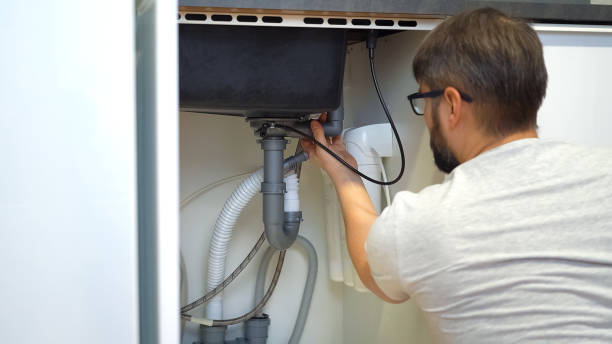
Grease traps play a crucial role in the efficient operation of commercial kitchens and food establishments by capturing fats, oils, and grease (FOG) before they enter the sewer system. However, neglecting regular grease trap cleaning can lead to severe blockages, unpleasant odors, and costly repairs. Understanding the benefits and methods of maintaining these systems can save businesses from unexpected expenses and operational downtime.
The Importance of Routine Grease Trap Maintenance
Regular maintenance of grease traps is essential not only to adhere to environmental regulations but also to ensure the longevity and efficiency of the plumbing system. Here are some key reasons why routine cleaning is vital:
- Prevents blockages and overflows that can disrupt kitchen operations.
- Minimizes foul odors that can deter customers and affect employee morale.
- Reduces the risk of fines from health and safety inspections.
- Enhances the efficiency of the drainage system, preventing costly repairs.
Signs Your Grease Trap Needs Cleaning
Identifying when a grease trap requires maintenance can prevent severe issues. Keep an eye out for these warning signs:
- Slow drainage or backups in sinks and dishwashers.
- Strong, unpleasant odors emanating from drains.
- Increased frequency of clogs and plumbing issues.
- Visible grease or oil residues on kitchen surfaces.
Steps in Professional Grease Trap Service
Engaging a professional grease trap service ensures thorough cleaning and maintenance. Here is what typically occurs during a professional service:
Inspection
A detailed inspection is conducted to assess the condition of the grease trap and identify any potential issues. This step is crucial for developing an effective cleaning strategy.
Pumping and Cleaning
The accumulated FOG is pumped out, and the grease trap is thoroughly cleaned to remove all residues. This process helps restore the trap’s efficiency and prevent clogs.
Maintenance Recommendations
After cleaning, professionals may provide maintenance recommendations to enhance the lifespan and performance of the grease trap. This often includes advice on scheduling regular cleaning services.
Choosing the Right Service Provider
Selecting a reliable service provider is critical for maintaining grease traps effectively. Consider the following factors when choosing a provider:
- Experience and expertise in grease trap cleaning and maintenance.
- Availability of comprehensive services including inspection, cleaning, and maintenance advice.
- Positive reviews and recommendations from other businesses in the industry.
- Compliance with local health and safety regulations.
Conclusion
Routine grease trap cleaning is an investment that prevents costly repairs and ensures the smooth operation of commercial kitchens. By understanding the importance of regular maintenance and choosing the right service provider, businesses can avoid disruptions and maintain a safe, efficient kitchen environment. Taking proactive measures today can save significant expenses and headaches down the line.
