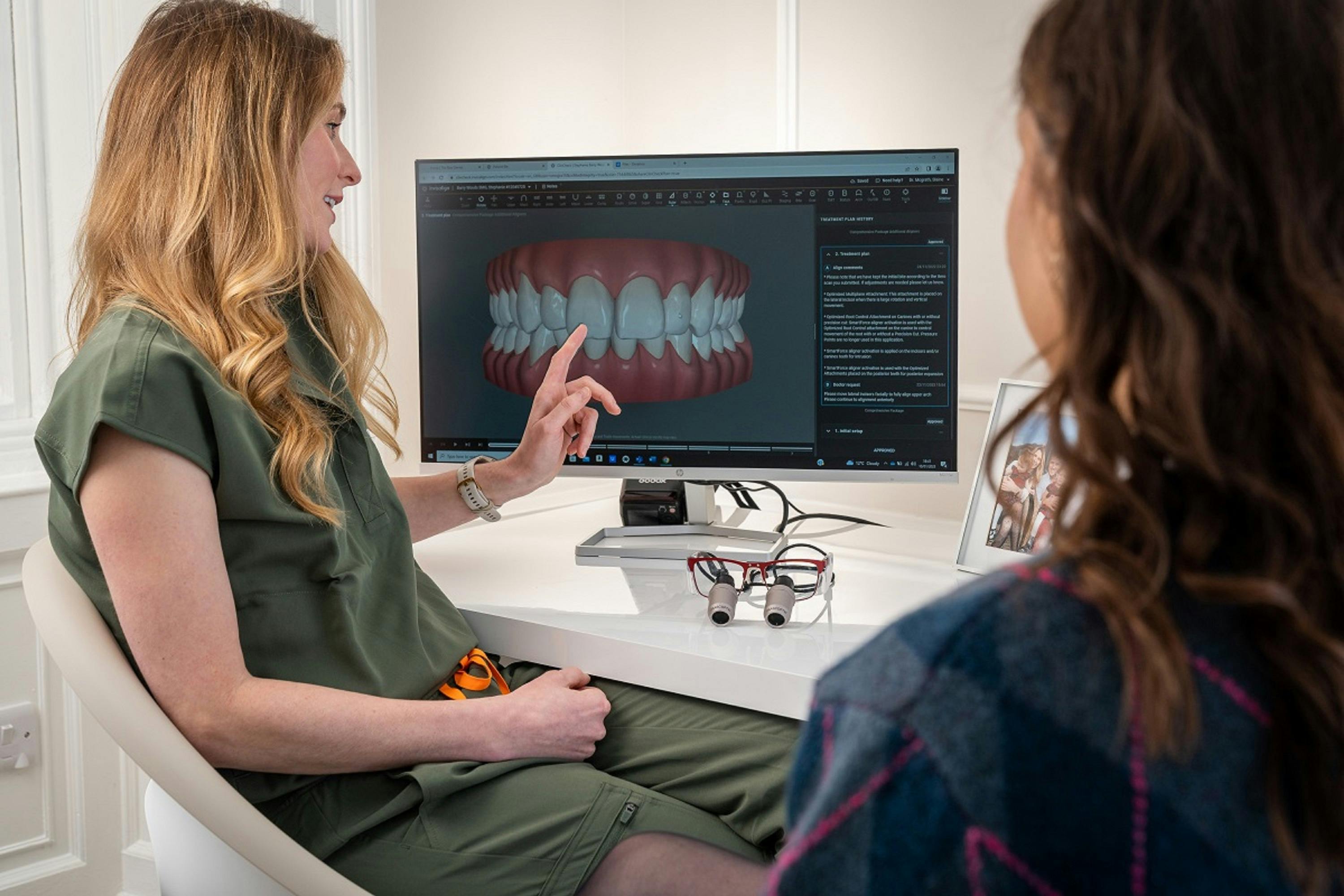
3D dental imaging has revolutionized the field of dentistry, offering unprecedented levels of detail and accuracy in diagnosis and treatment planning. Traditional two-dimensional X-rays are no longer the sole imaging option for dental professionals. Instead, the advent of 3D imaging technologies like Cone Beam Computed Tomography (CBCT) has provided a deeper and more comprehensive view of the oral cavity. This article delves into the myriad benefits of 3D dental imaging, highlighting how it enhances patient care and treatment outcomes.
Enhanced Diagnostic Accuracy
3D dental imaging significantly improves diagnostic capabilities by providing detailed, three-dimensional views of dental structures. This technology allows professionals to examine the intricate anatomy of the teeth, jaw, and surrounding tissues with greater precision. As a result, potential issues can be identified earlier and more accurately, leading to:
- Better treatment planning due to comprehensive visualization.
- Reduced risk of overlooking pathologies that may not be visible in 2D images.
- Improved ability to assess complex cases such as impacted teeth or jaw abnormalities.
To explore advanced guides and tips on utilizing 3D imaging effectively, discover expert strategies here.
Improved Patient Communication
One of the key advantages of 3D imaging is its ability to facilitate clearer communication between dental professionals and patients. By providing a visual representation of the dental condition, patients are better informed and can participate actively in their treatment decisions. The benefits include:
- Enhanced understanding of dental issues through visual aids.
- Increased patient trust and satisfaction due to transparent communication.
- Empowered patients who are more likely to comply with treatment plans.
For more insights into patient communication strategies, find out more about this approach.
Streamlined Treatment Procedures
Precision in Surgical Planning
3D imaging plays a crucial role in surgical planning and execution. By providing detailed anatomical views, dental professionals can plan surgical procedures with high precision, minimizing risks and enhancing outcomes. The advantages include:
- Accurate measurement and mapping of surgical sites.
- Reduction in surgical time and potential complications.
- Improved fit and placement of implants, prosthetics, and other dental devices.
To learn about tailored solutions for surgical planning, explore advanced guides and tips.
Minimized Patient Discomfort
By reducing the need for exploratory surgery and allowing for less invasive procedures, 3D imaging helps in minimizing patient discomfort. This leads to:
- Faster recovery times.
- Less postoperative pain and complications.
- Reduced need for follow-up treatments or corrections.
For detailed exploration of patient-centric approaches to dental care, learn about our tailored solutions.
Conclusion
The integration of 3D dental imaging into clinical practice offers a multitude of benefits, from enhanced diagnostic accuracy to improved patient experiences. As dental technology continues to advance, embracing these innovations is essential for providing high-quality care. For comprehensive resources and expert strategies in 3D dental imaging, dental professionals can explore advanced guides and tips to stay ahead in the ever-evolving field of dentistry.
