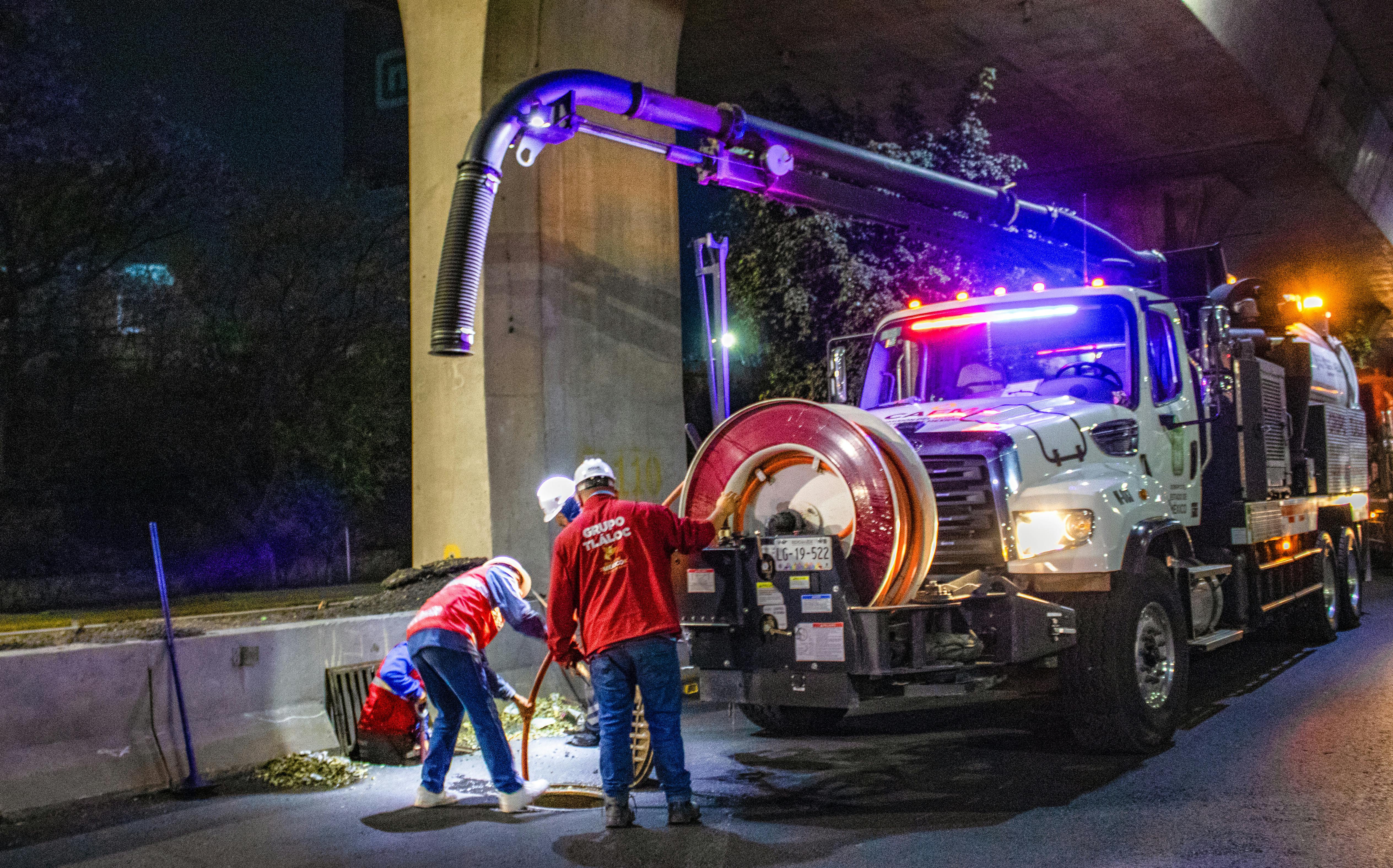
Sewer backups are an unpleasant surprise for any property owner, often resulting in significant inconvenience and potential health hazards. Addressing such issues swiftly and effectively is essential to restore normalcy and prevent further damage. A comprehensive understanding of the causes and solutions for sewer backups can empower property owners to take proactive measures and seek professional intervention when necessary. This article delves into the key aspects of efficient sewer backup repair, highlighting practical strategies and professional insights to restore functionality effectively.
Understanding Sewer Backups
Sewer backups occur when wastewater is unable to flow properly through the drainage system, causing it to back up into homes or businesses. Common causes include:
- Blockages: Accumulation of debris, grease, or foreign objects can obstruct pipes.
- Tree Roots: Roots can infiltrate and damage pipes, leading to blockages.
- Structural Defects: Cracks, misaligned pipes, or collapsed lines can impede flow.
- Heavy Rainfall: Excessive rain can overwhelm the sewer system, causing backups.
Steps for Efficient Sewer Backup Repair
Addressing a sewer backup requires a methodical approach to ensure thorough resolution.
Discover expert strategies here.
1. Initial Assessment
The first step in resolving a sewer backup is a detailed assessment of the situation. This involves identifying the source of the backup and the extent of the damage. Professional plumbers may use advanced diagnostic tools such as cameras to inspect the sewer lines.
2. Cleaning and Unblocking
Once the problem is identified, the next step is to clear the blockage. This could involve mechanical methods like snaking or hydro jetting, which uses high-pressure water to clear obstructions.
Learn about our tailored solutions for effective unblocking techniques.
3. Repair and Replacement
In cases where pipes are damaged, repair or replacement may be necessary. Options include trenchless repair methods that minimize disruption to the property. This approach is often more efficient and cost-effective than traditional excavation.
Explore advanced guides and tips on modern repair techniques.
4. Prevention and Maintenance
To prevent future backups, regular maintenance is crucial. This includes routine inspections and cleaning to remove potential blockages before they become problematic. Educating property occupants about proper waste disposal can also mitigate risks.
Find out more about this approach to proactive maintenance.
Conclusion
Efficient sewer backup repair is vital for restoring functionality and ensuring the safety and hygiene of a property. By understanding the common causes and adopting a structured approach to repair and prevention, property owners can significantly reduce the likelihood of future incidents. For those facing complex sewer issues, professional expertise is invaluable in navigating the challenges and implementing sustainable solutions.
