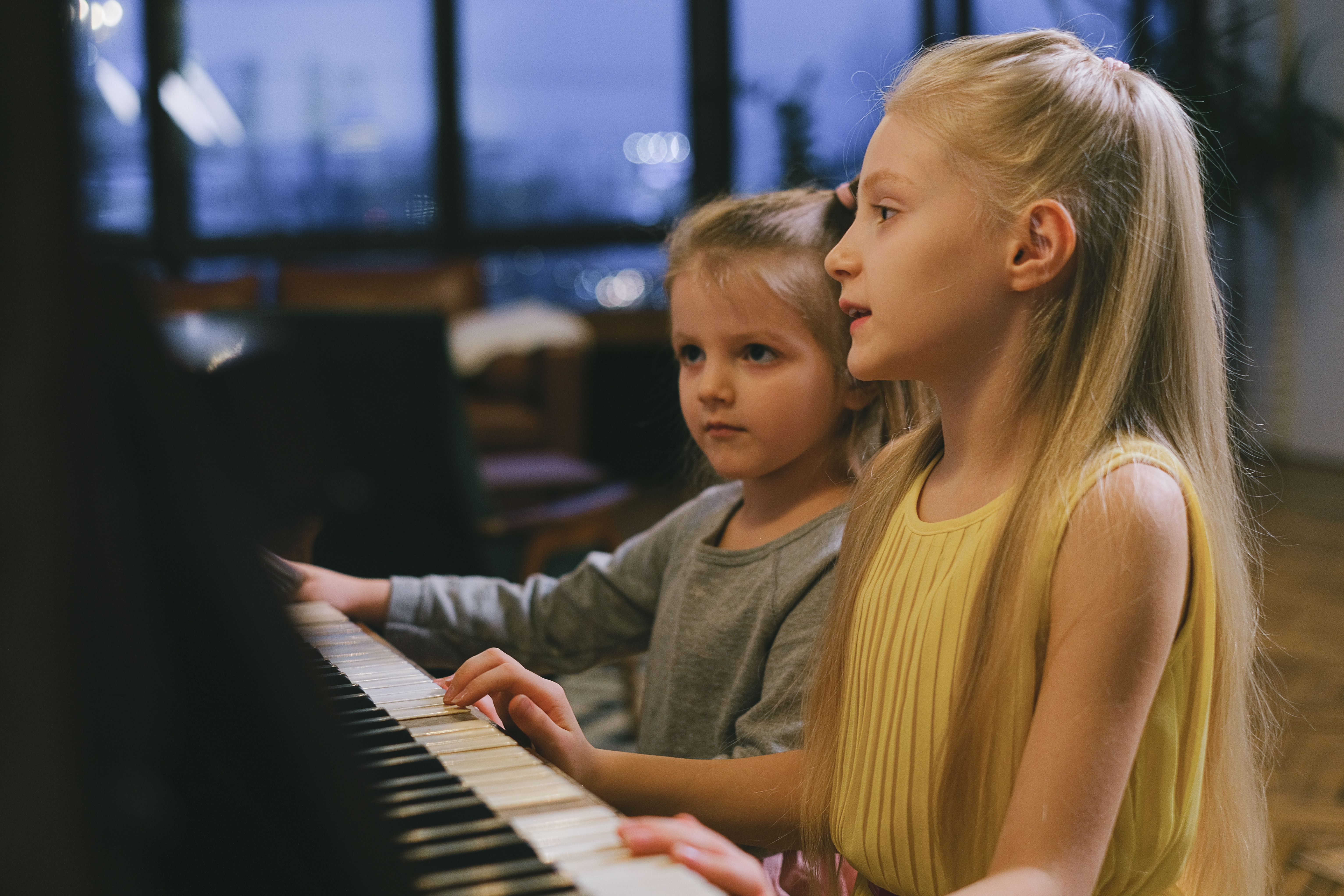
Music has a profound impact on childhood development, making early music education an important consideration for parents and educators. Introducing children to music at an early age can foster a range of skills, from cognitive and emotional growth to social and physical development. As parents and educators look for ways to enrich children’s learning experiences, understanding the benefits and strategies for effective music education becomes essential. This article delves into the significance of early music education, outlining key benefits and practical approaches to integrate music into children’s lives.
The Benefits of Early Music Education
Engaging children in music from a young age offers numerous advantages, contributing to their overall development. Here are some key benefits:
- Cognitive Development: Music education enhances memory, attention, and problem-solving skills. Studies show that musical training can improve children’s ability to learn languages and mathematics.
- Emotional Growth: Music allows children to express their emotions and develop empathy. It provides a safe space for exploring feelings and encourages emotional intelligence.
- Social Skills: Participating in group music activities fosters teamwork and communication skills. Children learn to collaborate, listen, and share, building their social competence.
- Physical Coordination: Playing musical instruments and engaging in rhythmic activities improve motor skills and hand-eye coordination.
For more insights on how music education impacts child development, read more about this topic.
Approaches to Early Music Education
Integrating music into a child’s education can be both fun and beneficial. Here are some strategies to consider:
Music Classes and Programs
Enrolling children in music classes can provide structured learning experiences tailored to their age and abilities. These programs often include:
- Group Instrument Lessons: Children can learn to play instruments in a group setting, enhancing their musical and social skills.
- Vocal Training: Singing classes help develop vocal skills and confidence in self-expression.
- Musical Games and Activities: Interactive activities make learning music enjoyable and engaging for young children.
Explore further insights here on music programs designed for children.
Incorporating Music at Home
Parents can play a pivotal role in their children’s music education by incorporating music into everyday life. Some simple ideas include:
- Listening to Music Together: Create playlists of diverse musical genres to expose children to different sounds and cultures.
- Encouraging Singing and Dancing: Invite children to sing and dance along to their favorite tunes, fostering a love for music.
- Providing Instruments: Offer simple musical instruments like tambourines, xylophones, or keyboards for children to explore sounds and rhythms.
Find additional information here on how to effectively integrate music into home activities.
Challenges and Considerations
While the benefits of early music education are well-documented, there are challenges that parents and educators may face:
- Access to Resources: Not all families have access to music classes or instruments due to cost or location. Exploring community resources or online platforms can provide alternatives.
- Balancing with Other Activities: Overloading children with activities can be counterproductive. It’s important to balance music education with other interests and free time.
- Maintaining Interest: Keeping children engaged requires creativity and patience. Rotating activities and introducing new musical genres can sustain interest.
For a comprehensive guide on overcoming these challenges, learn more in this detailed guide.
Conclusion
Early music education can have a transformative impact on children’s development, enhancing cognitive abilities, emotional intelligence, social skills, and physical coordination. By understanding the benefits and utilizing effective strategies, parents and educators can foster a lifelong appreciation for music in children. For those seeking to delve deeper into this enriching field, further exploration and resources are available to guide the journey of music education.
