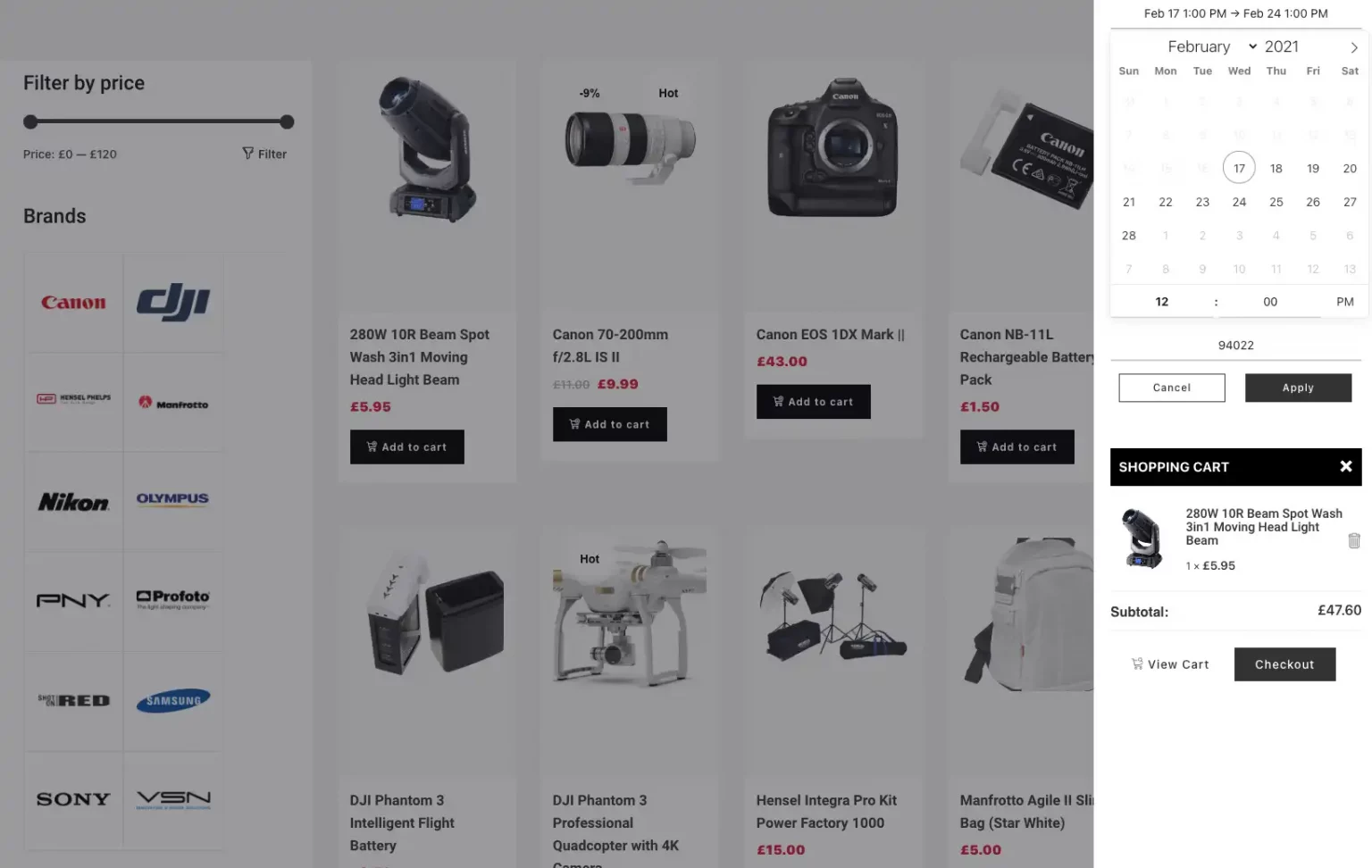
In the dynamic world of audio-visual (AV) equipment rentals, inventory tracking is paramount to maintaining efficiency and delivering exceptional service. As businesses expand and the demand for AV equipment grows, the need for a sophisticated system to track inventory becomes increasingly critical. An effective inventory tracking system not only streamlines operations but also enhances customer satisfaction by ensuring the right equipment is available when needed. This guide delves into the essentials of AV equipment inventory tracking, offering insights and strategies to optimize and manage resources effectively.
The Importance of AV Equipment Inventory Tracking
Effective inventory management is the backbone of any AV rental business. It ensures that equipment is tracked accurately, reducing the risk of overbooking or loss. Here are some key benefits:
- Improved operational efficiency and reduced manual errors.
- Enhanced customer satisfaction through reliable equipment availability.
- Reduced costs by minimizing overstocking and underutilization.
- Streamlined maintenance schedules and timely equipment servicing.
For more detailed strategies on managing AV inventory, discover expert strategies here.
Key Features of an Effective Inventory Tracking System
Real-time Tracking
Real-time tracking is crucial for maintaining an up-to-date inventory status. This feature ensures that any changes in equipment availability are immediately reflected, which helps in avoiding conflicts and optimizing bookings. An efficient system provides:
- Instant updates on equipment status and location.
- Automated alerts for low stock levels.
- Seamless integration with booking systems.
To explore advanced guides and tips on implementing real-time tracking, learn about our tailored solutions.
Detailed Reporting and Analytics
Comprehensive reporting tools allow businesses to make informed decisions based on accurate data. Detailed analytics provide insights into equipment usage patterns, helping to forecast demand and manage inventory more effectively. Essential aspects include:
- Customizable reports on inventory levels and usage trends.
- Insights into equipment performance and maintenance needs.
- Data-driven decision-making for inventory purchasing and allocation.
For further insights, find out more about this approach.
Implementing Inventory Tracking Best Practices
Regular Audits and Maintenance
Regular inventory audits help ensure the accuracy of inventory records and the efficiency of the tracking system. Conducting periodic maintenance checks also prevents unexpected equipment failures. Best practices include:
- Scheduling routine audits to verify inventory accuracy.
- Implementing a structured maintenance schedule to extend equipment lifespan.
- Utilizing automated systems for audit and maintenance reminders.
To learn more about implementing these strategies, explore advanced guides and tips.
Training and Support
Investing in staff training ensures that the team can utilize the inventory tracking system effectively. Comprehensive training programs should cover:
- System navigation and functionality.
- Data entry and accuracy in record-keeping.
- Troubleshooting common issues and understanding system updates.
For effective training methodologies, find out more about this approach.
Conclusion
Implementing a robust AV equipment inventory tracking system is essential for any rental business aiming to enhance operational efficiency and customer satisfaction. By incorporating real-time tracking, detailed reporting, regular audits, and comprehensive training, businesses can optimize their inventory management processes. For more information on integrating these systems, discover expert strategies here.
