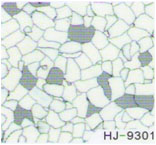
In modern industrial environments, ensuring workplace safety is paramount. One critical aspect of creating a safe environment is managing electrostatic discharge (ESD) effectively. ESD can cause significant damage to electronic components, leading to costly repairs and downtime. To address this, many industries are turning to conductive rubber tiles for ESD floors. These tiles are designed to mitigate the risks associated with static electricity, providing a safer and more efficient workplace.
Understanding Conductive Rubber Tiles
Conductive rubber tiles are specialized flooring materials engineered to dissipate static electricity. They are composed of conductive compounds that channel electrical charges away from sensitive areas.
- They provide a continuous conductive path to ground.
- Designed to reduce the risk of ESD-related damage.
- Available in various thicknesses and surface textures.
These tiles are particularly beneficial in environments where sensitive electronic components are handled, such as laboratories, manufacturing facilities, and data centers. Find out more about this approach to ensure safety in high-risk areas.
Advantages of Conductive Rubber Tiles
Conductive rubber tiles offer numerous advantages that make them a preferred choice for ESD flooring solutions.
Enhanced Safety
By effectively managing static electricity, these tiles significantly reduce the risk of ESD-related accidents. This leads to a safer working environment and minimizes the potential for equipment damage.
Durability and Maintenance
- Long-lasting and resistant to wear and tear.
- Easy to clean and maintain, ensuring longevity.
- Withstands high foot traffic and heavy equipment usage.
Their durable nature makes them suitable for various industrial applications. Explore advanced guides and tips for maintaining these tiles and maximizing their lifespan.
Cost-Effectiveness
While the initial investment might be higher compared to traditional flooring, the long-term savings on maintenance and potential repair costs make these tiles a cost-effective solution. They also contribute to increased productivity by reducing downtime due to ESD-related issues.
Implementing Conductive Rubber Tiles
Integrating conductive rubber tiles into a workplace requires careful planning and execution. Consider the following steps for effective implementation:
- Conduct a thorough assessment of the areas prone to static discharge.
- Choose the appropriate type and thickness of tiles based on specific needs.
- Ensure proper installation by professionals to maintain the integrity of the conductive paths.
- Regularly test the flooring to ensure its effectiveness in dissipating static electricity.
Implementing these strategies can drastically improve workplace safety. Discover expert strategies here for achieving optimal results.
Conclusion
Conductive rubber tiles are an essential component in creating a safe work environment, particularly in industries where static electricity poses a significant risk. Their ability to effectively manage ESD, combined with their durability and cost-effectiveness, makes them a valuable investment. Learn about our tailored solutions to enhance workplace safety and efficiency.
